Rush
Helping lifeguards to locate and rescue drowning victims.
Rush
Helping lifeguards to locate and rescue drowning victims.

In an underwater emergency, every second is critical. But GPS tracking fails, and visibility is often near zero. Rush is an acoustic-based rescue system designed to overcome these challenges. It uses the reliability of sound to provide pinpoint location tracking for a person in distress. The system instantly maps their location for lifeguards and guides the in-water rescuer with precise, directional audio cues.
In an underwater emergency, every second is critical. But GPS tracking fails, and visibility is often near zero. Rush is an acoustic-based rescue system designed to overcome these challenges. It uses the reliability of sound to provide pinpoint location tracking for a person in distress. The system instantly maps their location for lifeguards and guides the in-water rescuer with precise, directional audio cues.


Challenge
Challenge
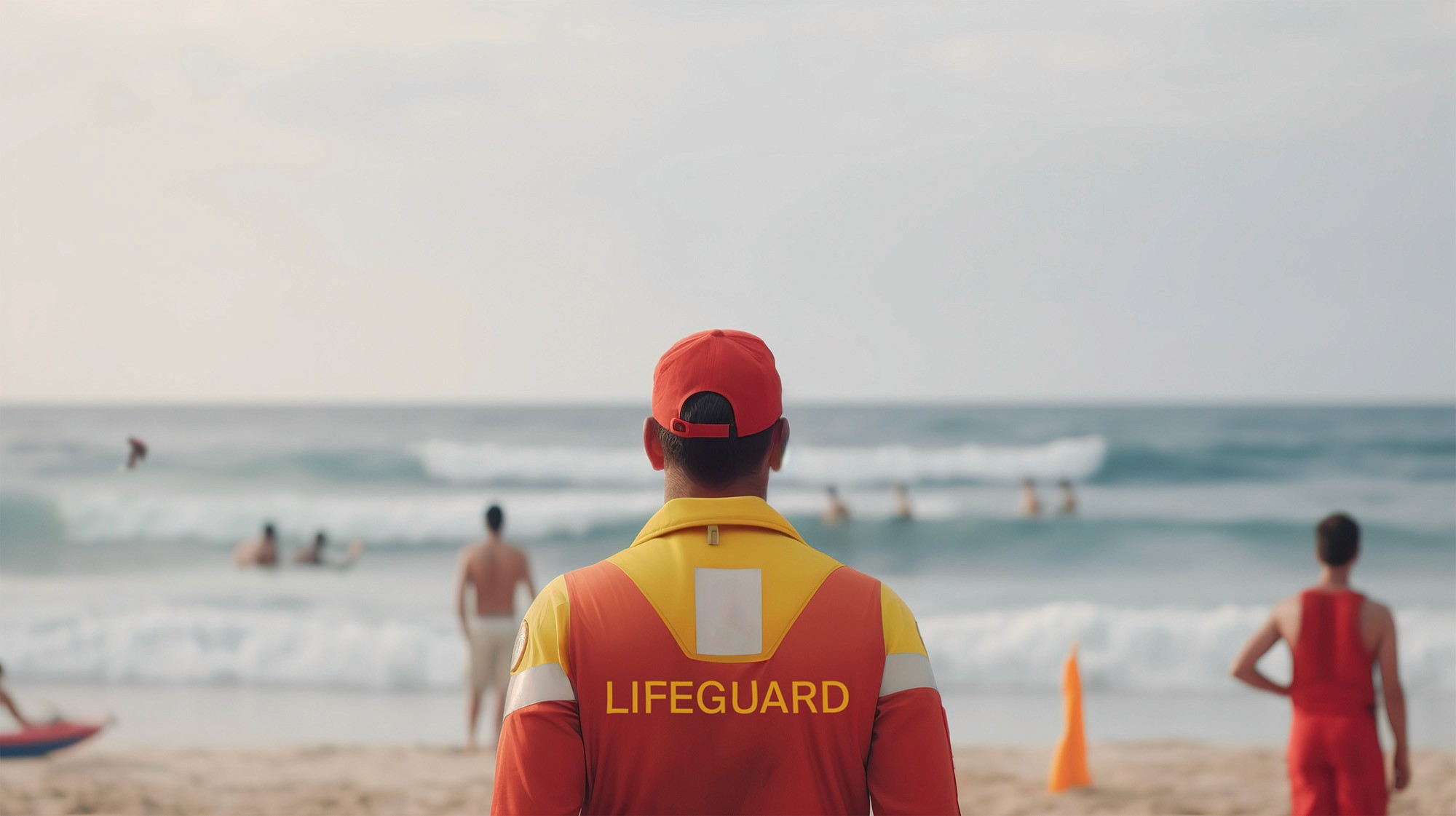
42 people drown everyday, even at beaches monitored by lifeguards. Especially on a packed beach with hundreds of people enjoying the water, it can be really difficult to spot a person that is drowning.
42 people drown everyday, even at beaches monitored by lifeguards. Especially on a packed beach with hundreds of people enjoying the water, it can be really difficult to spot a person that is drowning.
"How might we use sound to help lifeguards localize drowning victims?"
"How might we use sound to help lifeguards localize drowning victims?"
Scenario
Scenario
Wear
Wear
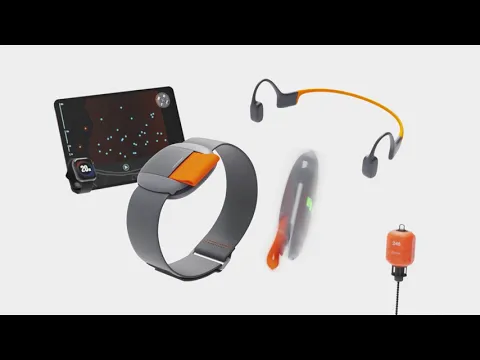
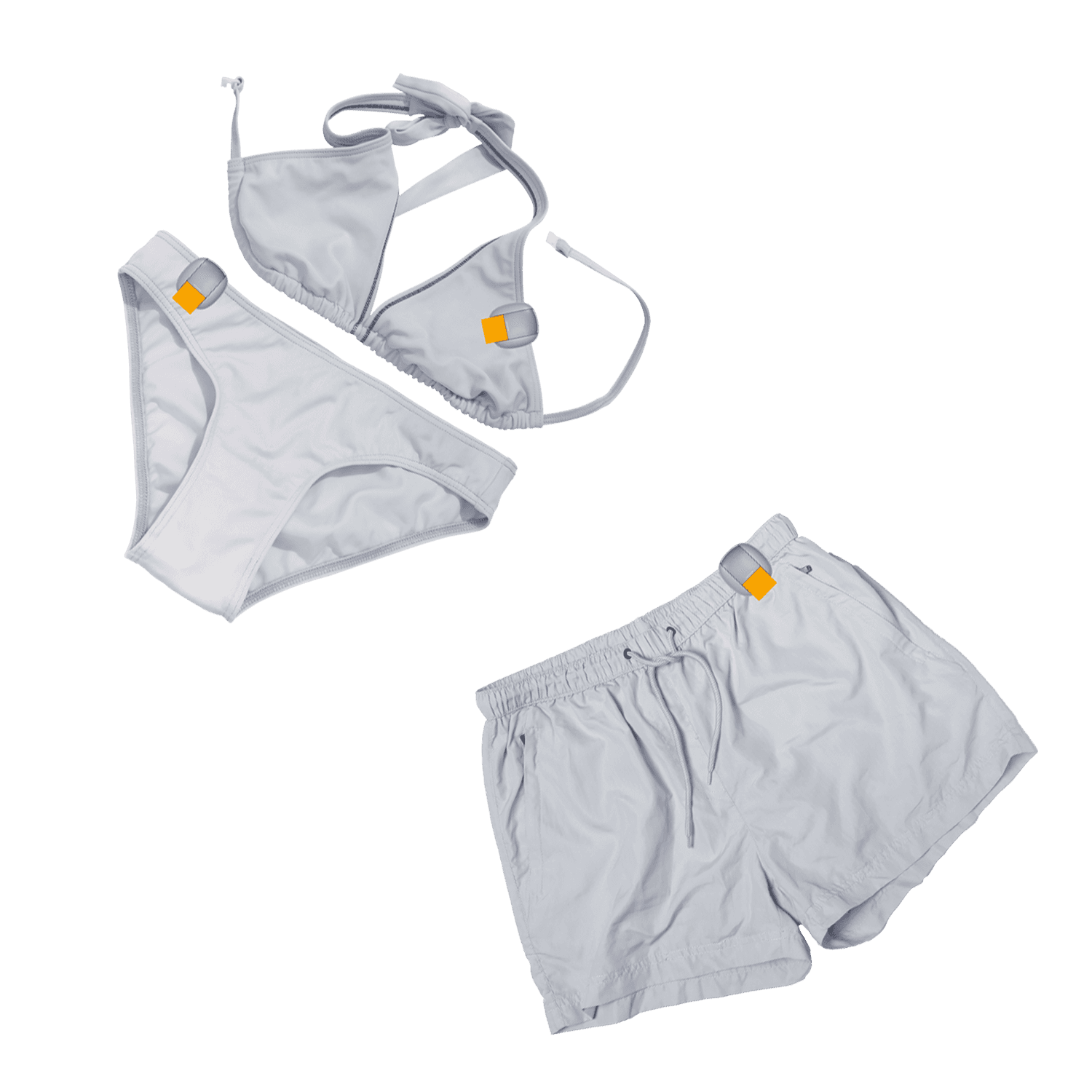
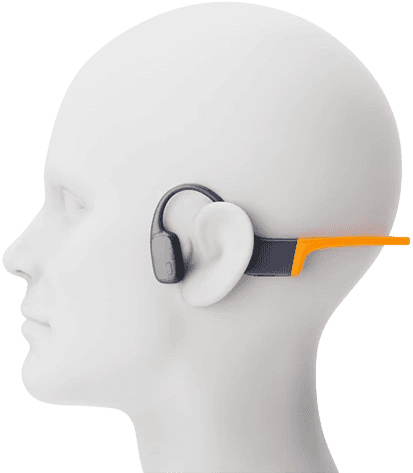
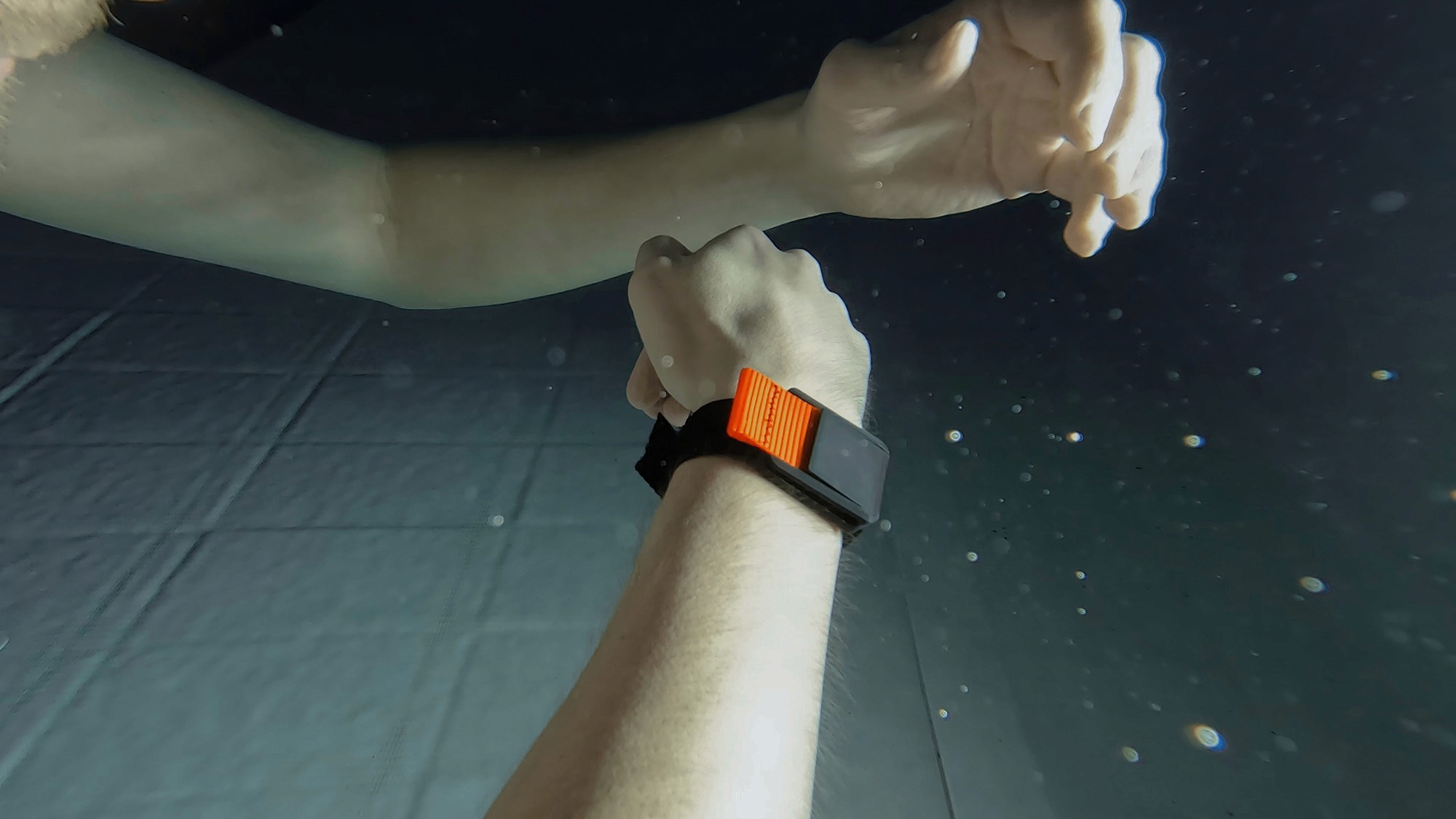
You can use rush with a wristband or clip it to your swimwear. Microphones in the water can pinpoint your location and then guide the lifeguard through sound via a bone conduction headset.
You can use rush with a wristband or clip it to your swimwear. Microphones in the water can pinpoint your location and then guide the lifeguard through sound via a bone conduction headset.
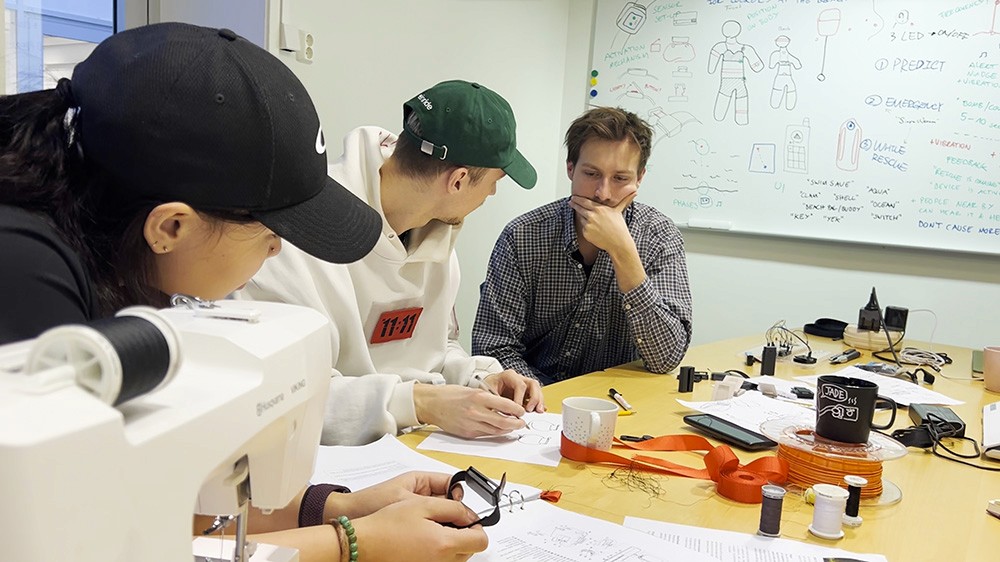
Ideate
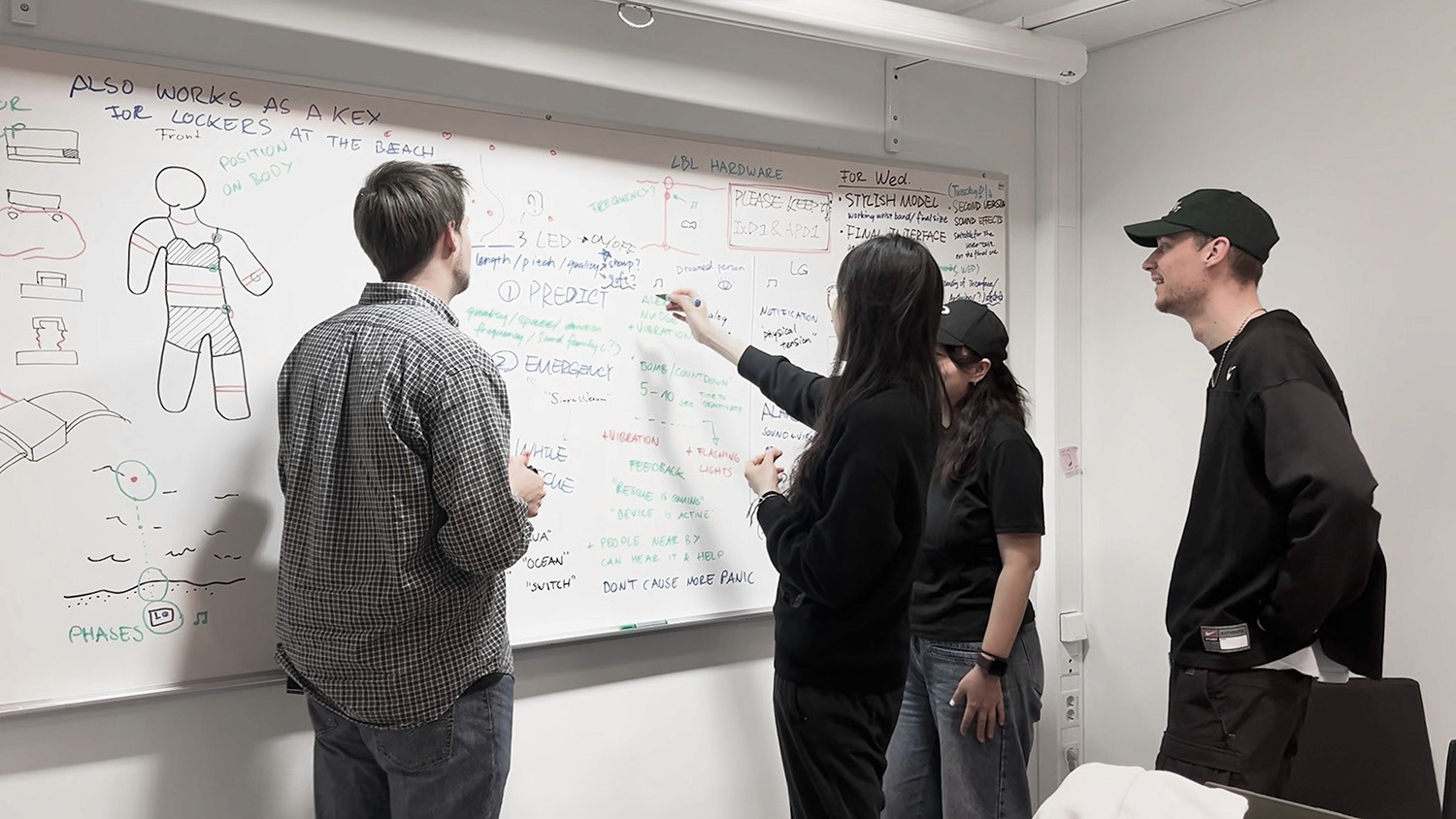
During the ideation phase we developed the core concept of a wearable device that should make swimming safer.
Ideate
During the ideation phase we developed the core concept of a wearable device that should make swimming safer.
Prototype
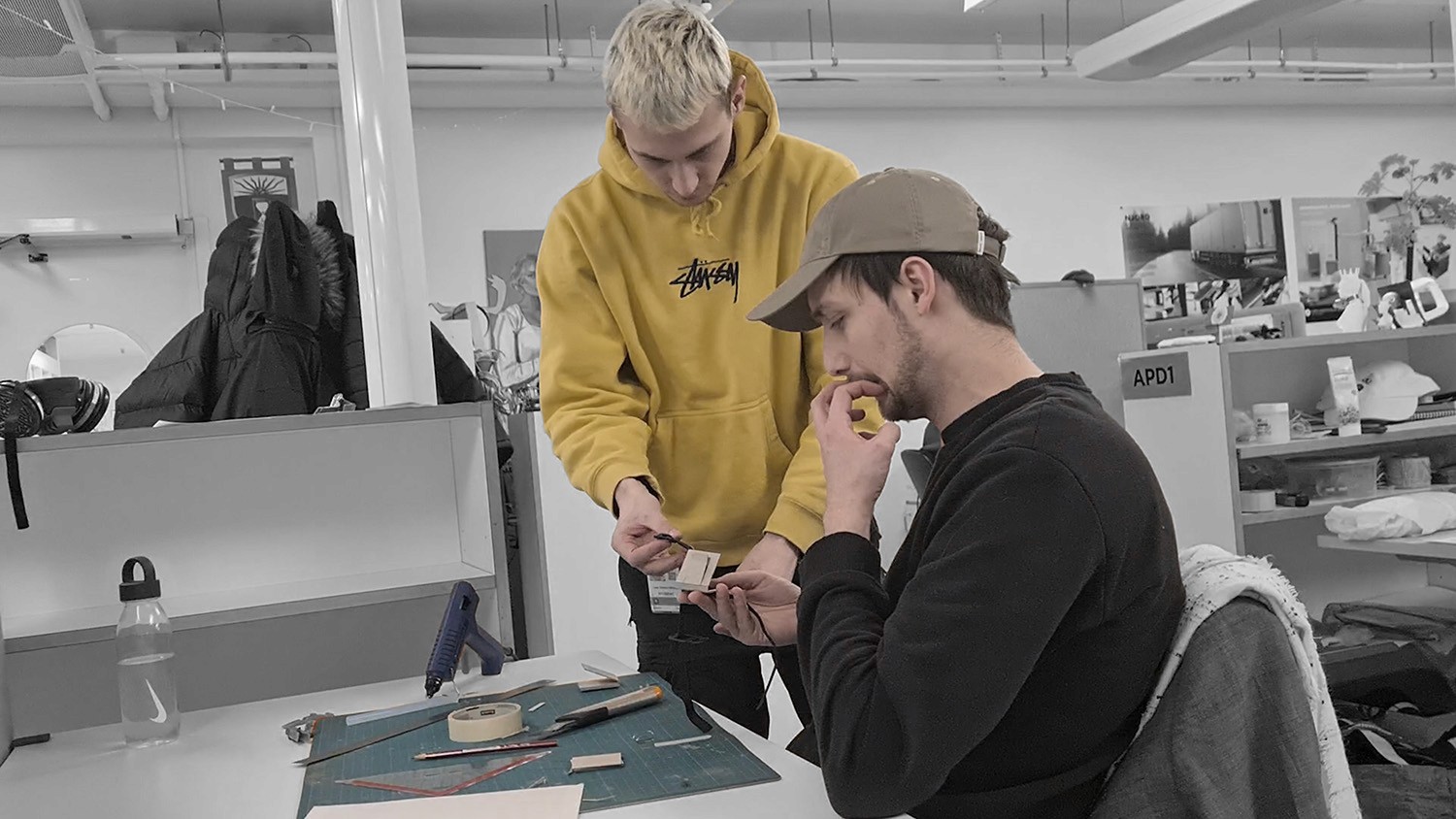
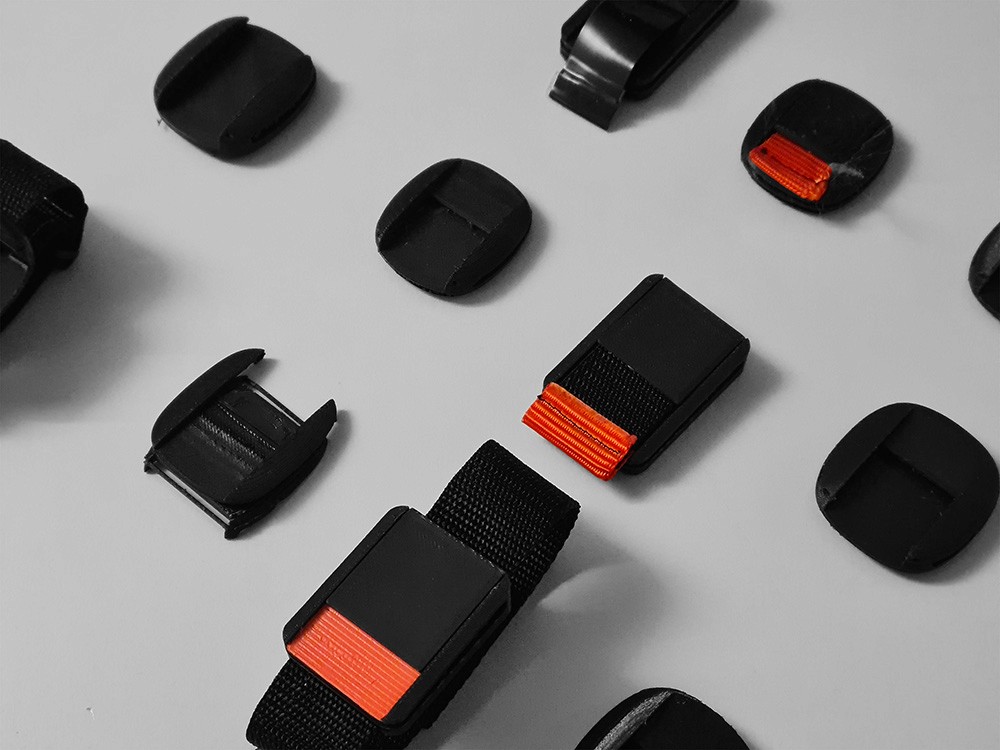
By building a lot of prototypes, we could make decisions regarding the size, shape and trigger mechanism.
Prototype
By building a lot of prototypes, we could make decisions regarding the size, shape and trigger mechanism.
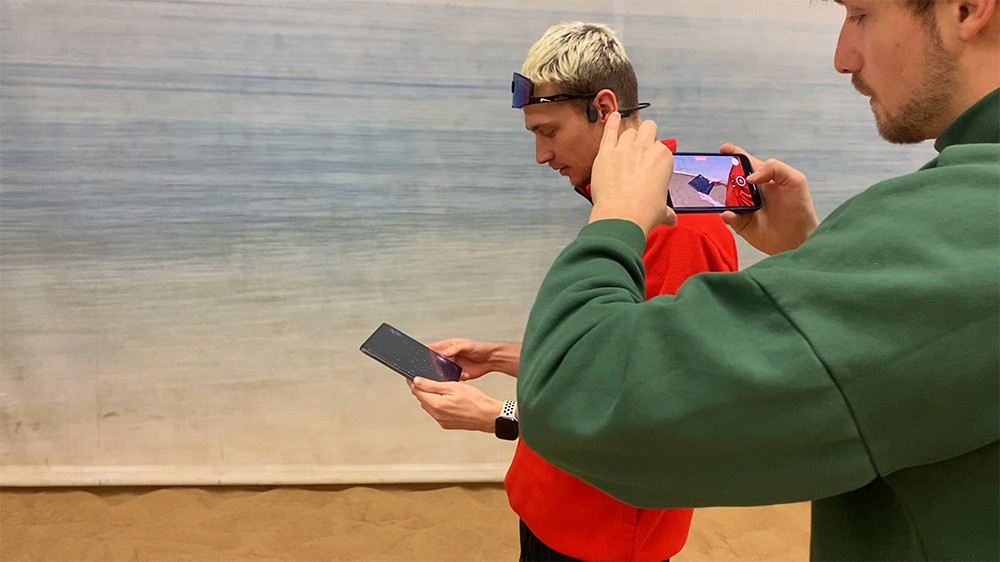
Dry testing
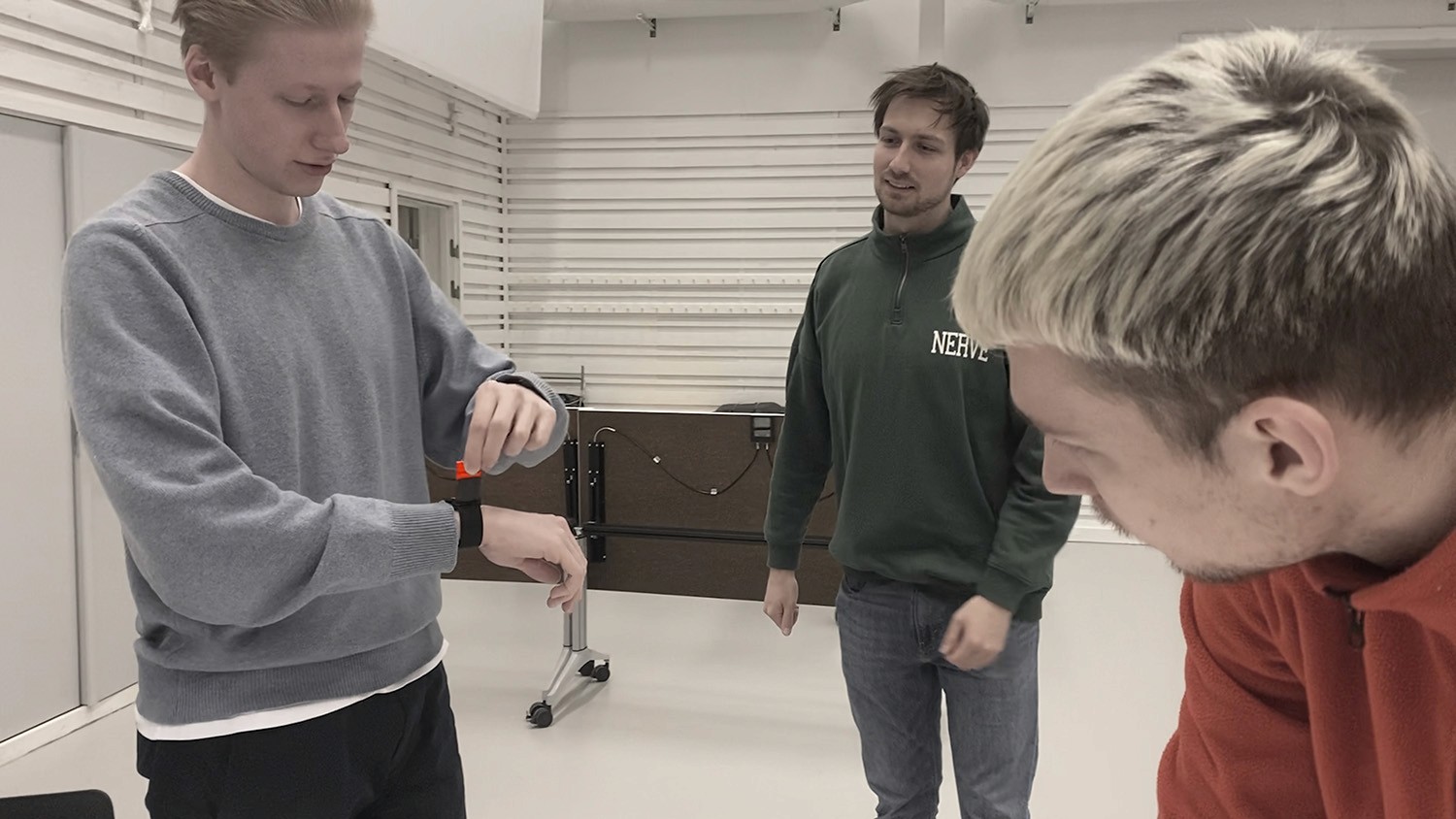
Testing different prototypes with potential users helped us to validate and improve our concept.
Dry testing
Testing different prototypes with potential users helped us to validate and improve our concept.
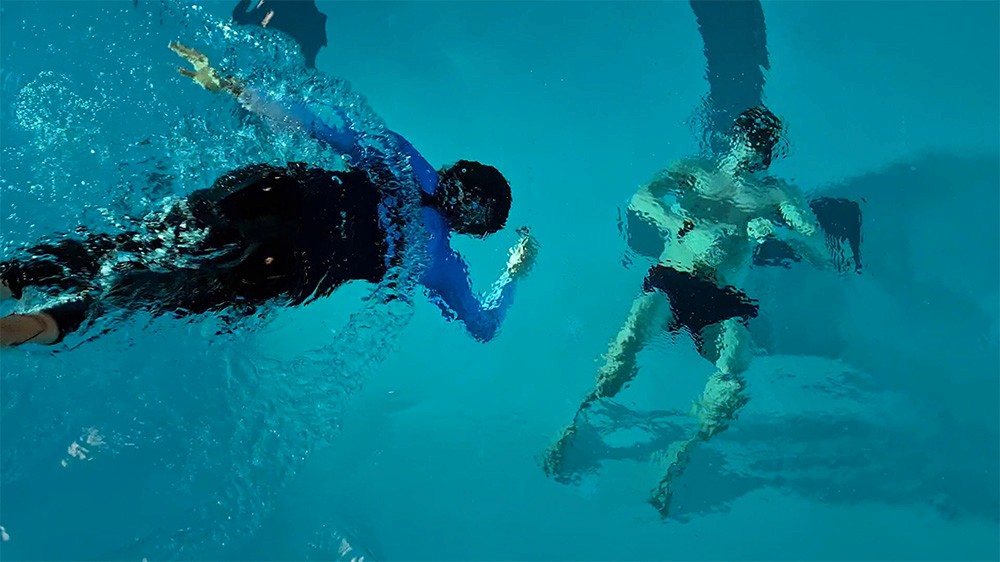
Wet testing
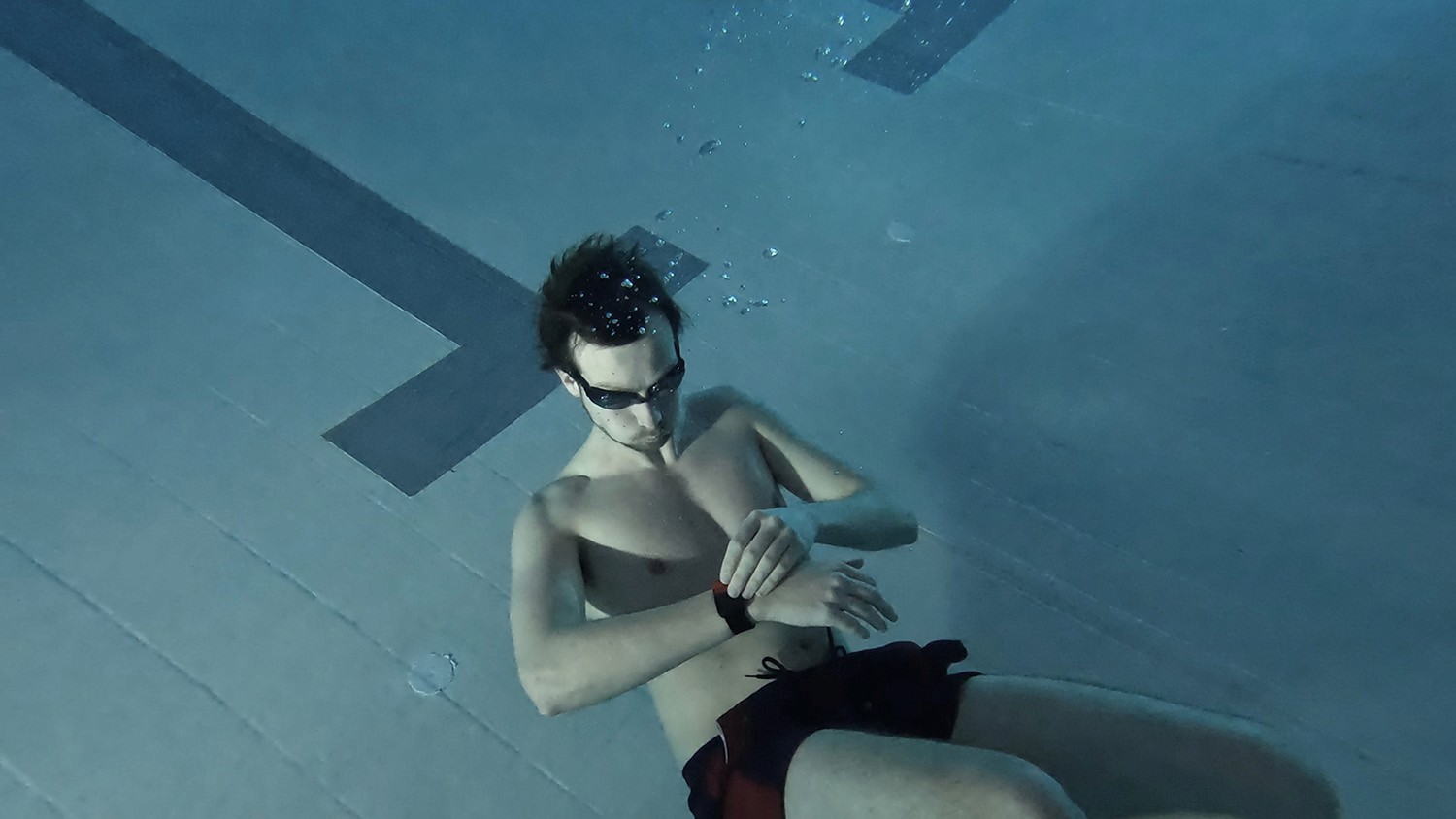
Finally, testing underwater gave us a better understanding of the usage scenario and
environment.
Wet testing
Finally, testing underwater gave us a better understanding of the usage scenario and environment.
System
System
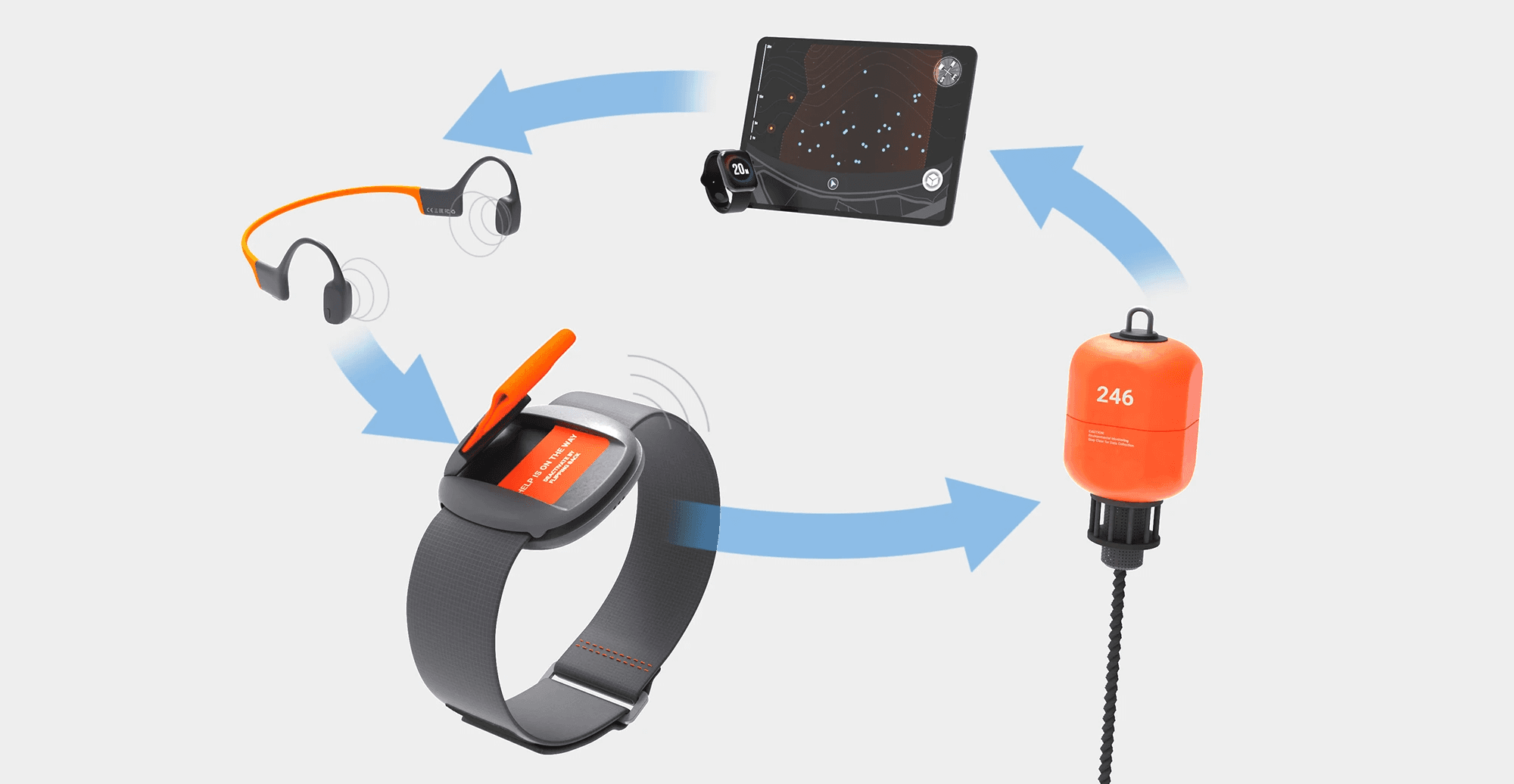
This rescue system operates entirely on sound. When a person activates their distress signal, the device emits a unique acoustic frequency. This signal is detected by a network of underwater microphones, which then triangulate the precise location of the person in need. This acoustic-based tracking is far more reliable than GPS in underwater scenarios.
This rescue system operates entirely on sound. When a person activates their distress signal, the device emits a unique acoustic frequency. This signal is detected by a network of underwater microphones, which then triangulate the precise location of the person in need. This acoustic-based tracking is far more reliable than GPS in underwater scenarios.
The location data is immediately relayed to the lifeguard team, providing an initial visual position on a map. Once in the water, the responding lifeguard wears a bone-conduction headset that provides directional audio cues, guiding them directly to the victim's location.
The location data is immediately relayed to the lifeguard team, providing an initial visual position on a map. Once in the water, the responding lifeguard wears a bone-conduction headset that provides directional audio cues, guiding them directly to the victim's location.
Appearance
Appearance
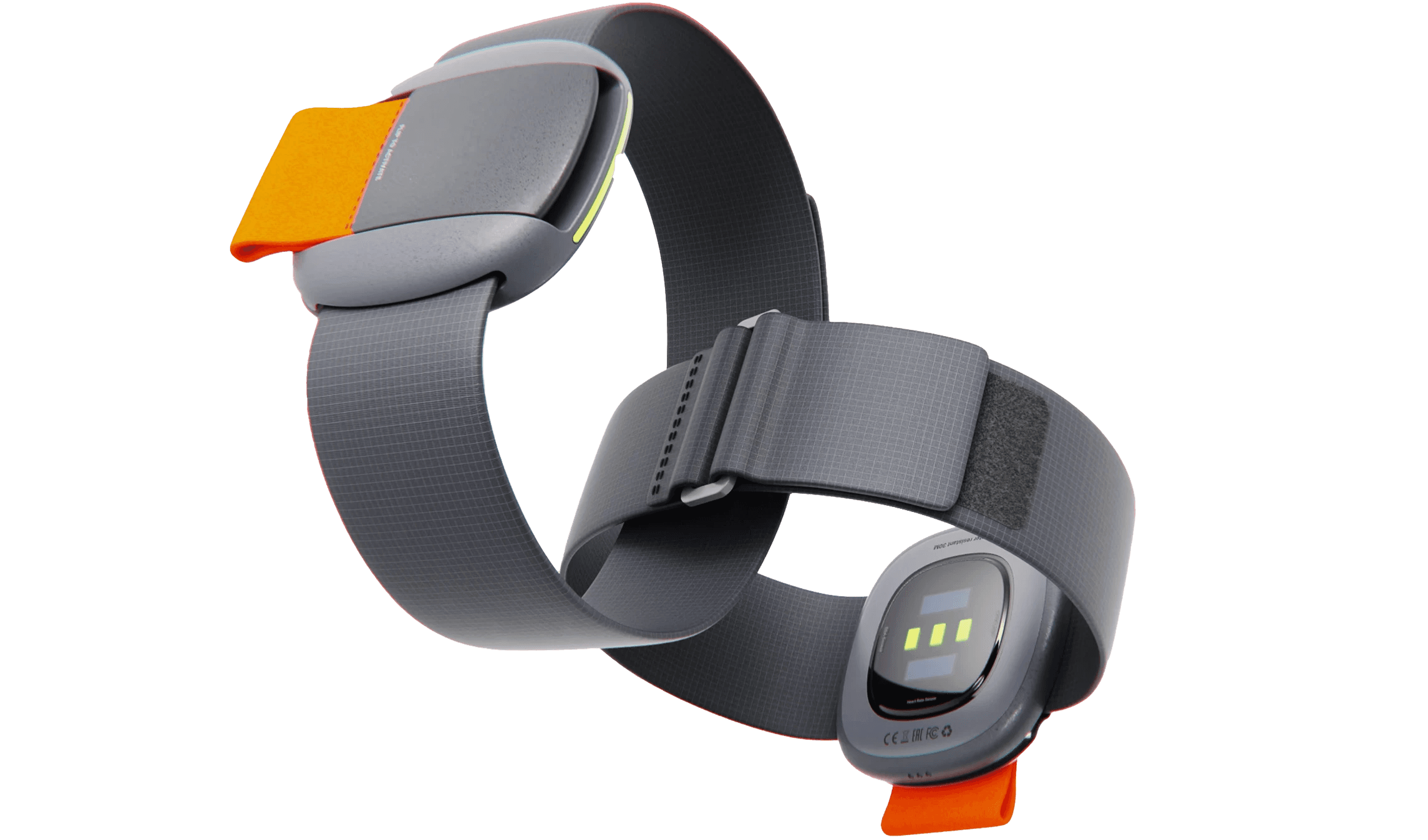
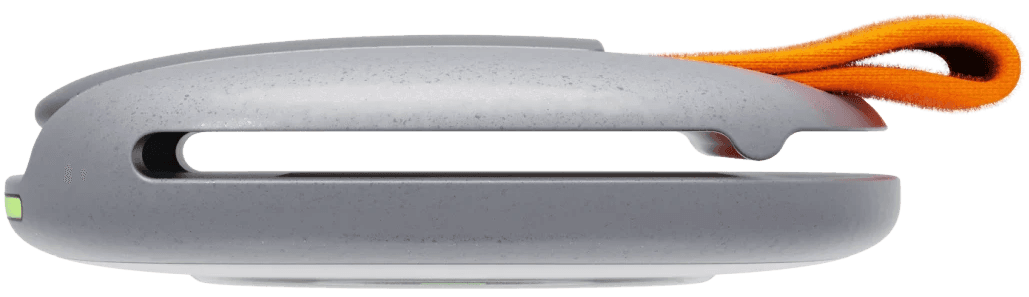
The design prioritizes adoption by being discreet enough to blend seamlessly with most swimwear. Its aesthetic is trustworthy and reliable, inspiring confidence in its lifesaving capability without appearing overly high-tech. Ergonomic, soft edges make it comfortable and unobtrusive, so it won't interfere with swimming. In an emergency, a high-visibility orange tag provides a clear, intuitive cue for activating the alarm.
The design prioritizes adoption by being discreet enough to blend seamlessly with most swimwear. Its aesthetic is trustworthy and reliable, inspiring confidence in its lifesaving capability without appearing overly high-tech. Ergonomic, soft edges make it comfortable and unobtrusive, so it won't interfere with swimming. In an emergency, a high-visibility orange tag provides a clear, intuitive cue for activating the alarm.
Technology
Technology
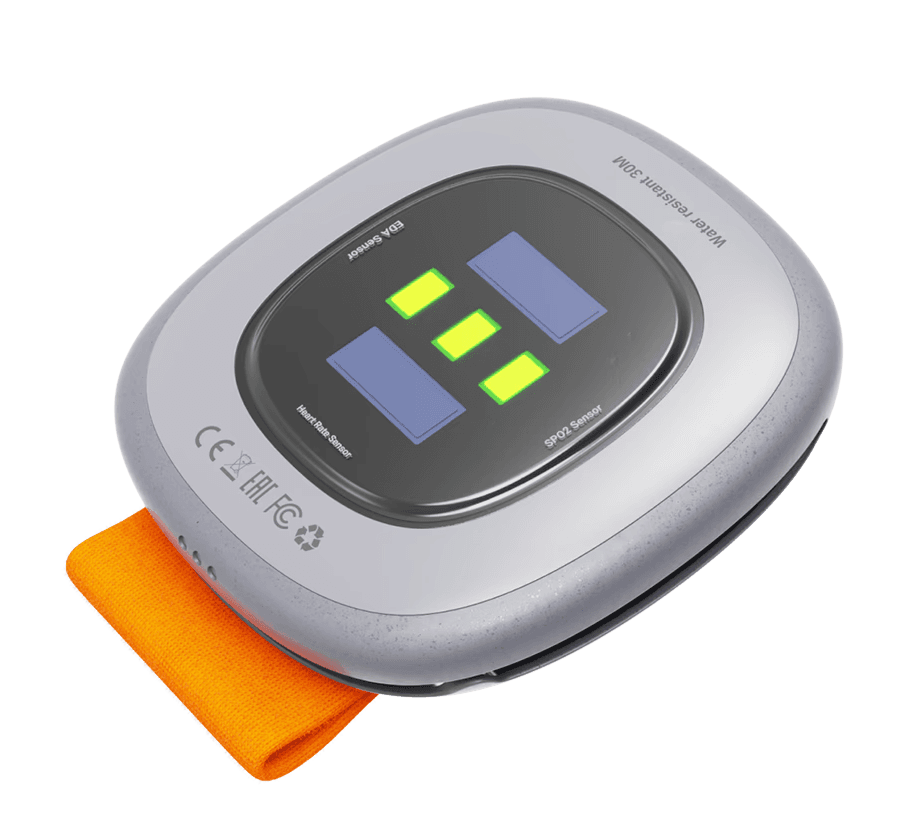
Rush is equipped with a sensor setup that monitors your vital signs and triggers the alarm if it detects that you are drowning. Additionally to being a lifesaver, Rush also works as a key for the lockers at the beach.
Rush is equipped with a sensor setup that monitors your vital signs and triggers the alarm if it detects that you are drowning. Additionally to being a lifesaver, Rush also works as a key for the lockers at the beach.
Process Video
Process Video
Behind the scenes
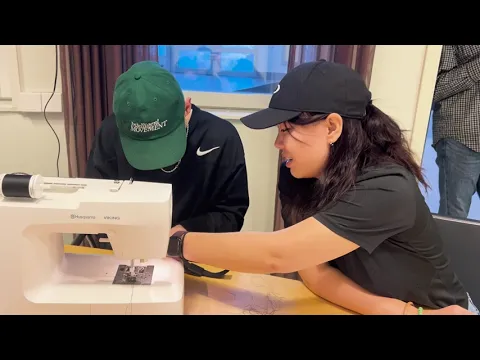
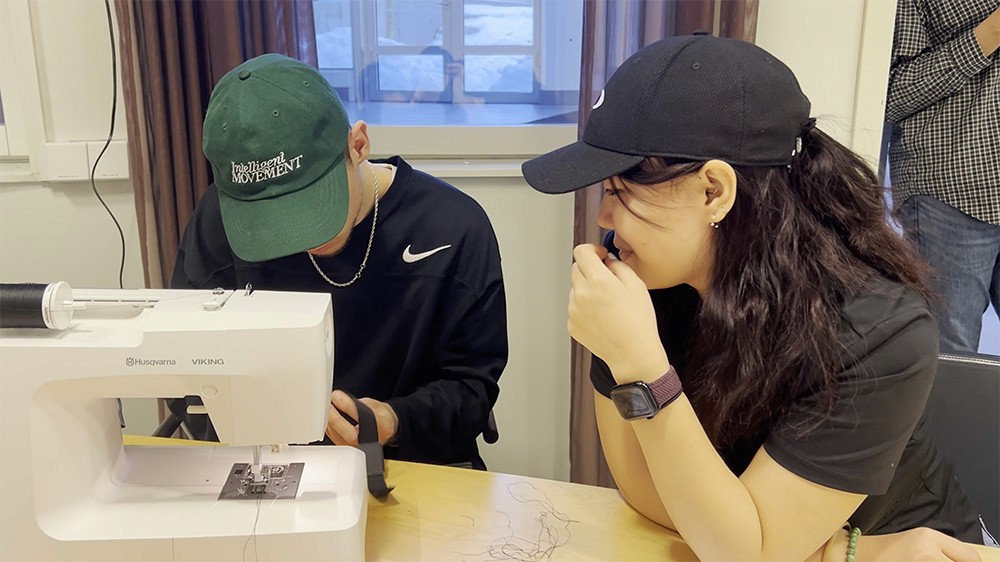
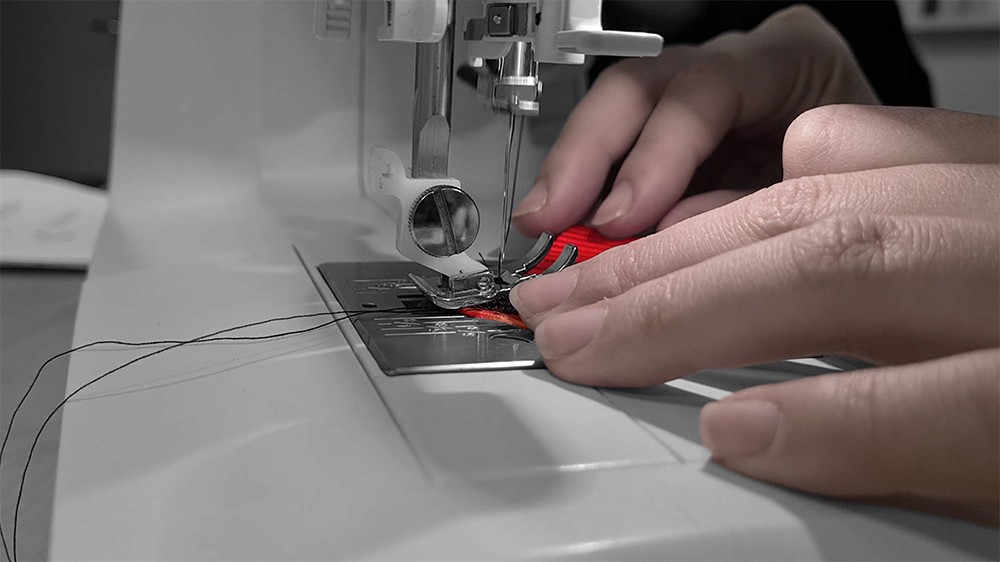
This project was driven by rapid prototyping and physically testing out ideas. Printing different shapes, sizes and especially mechanisms enabled us to find the best combination and test it out with different potential users in dry and wet conditions.
Behind the scenes
This project was driven by rapid prototyping and physically testing out ideas. Printing different shapes, sizes and especially mechanisms enabled us to find the best combination and test it out with different potential users in dry and wet conditions.
Next up
Next up