Project Tethys
YEAR:
2022
DURATION:
3x10 WEEKS
INCL:
BACHELOR THESIS
Autonomous systems for the remediation of residual oil from sunken shipwrecks.
The world's oceans are home to thousands of decaying shipwrecks, each a potential environmental disaster. This is a classic 'wicked problem' complex, with high stakes and no single 'silver bullet' solution. The "best" solution isn't a single product. It depends on the wreck's size, location, depth, and the surrounding ecosystem.
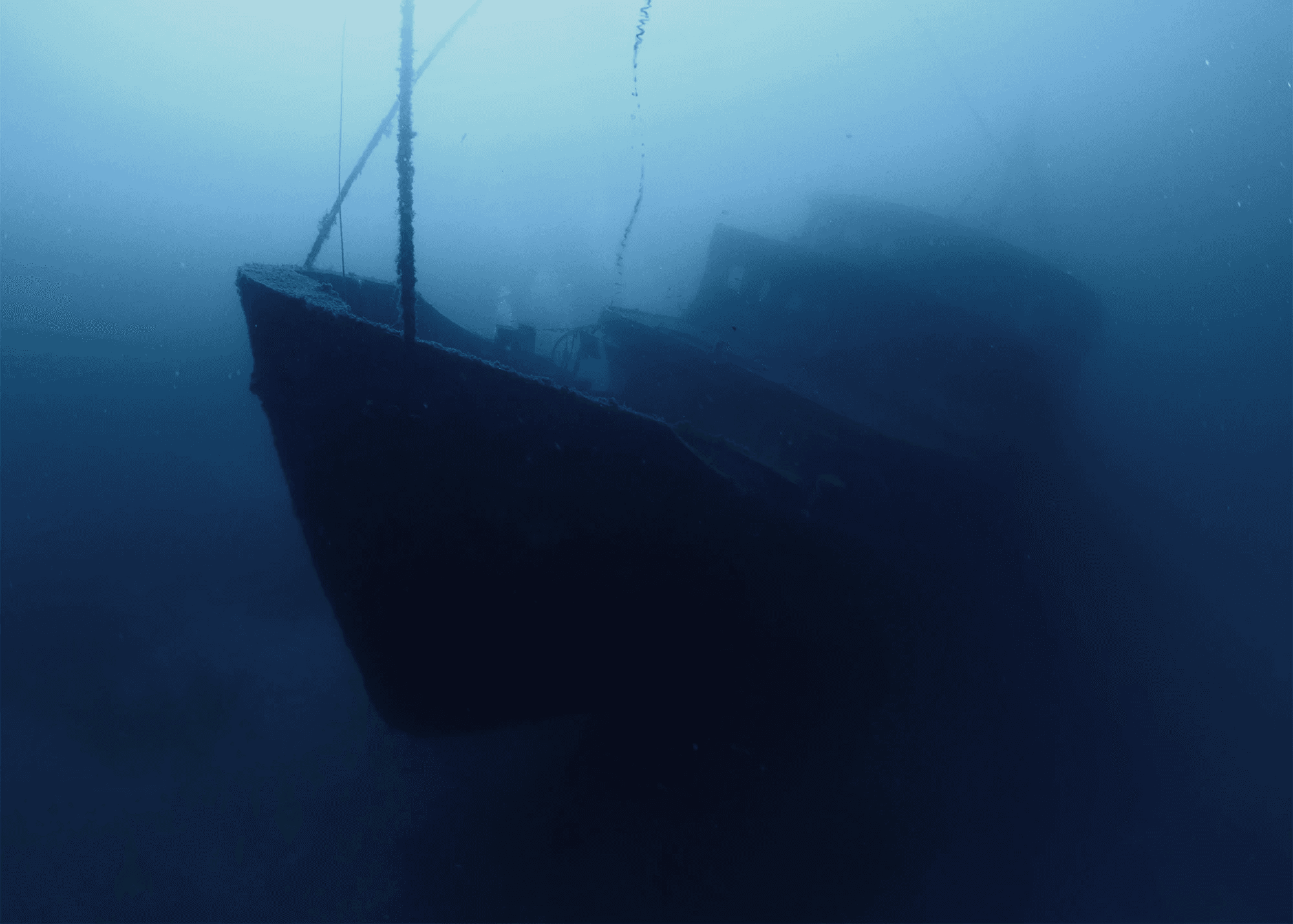
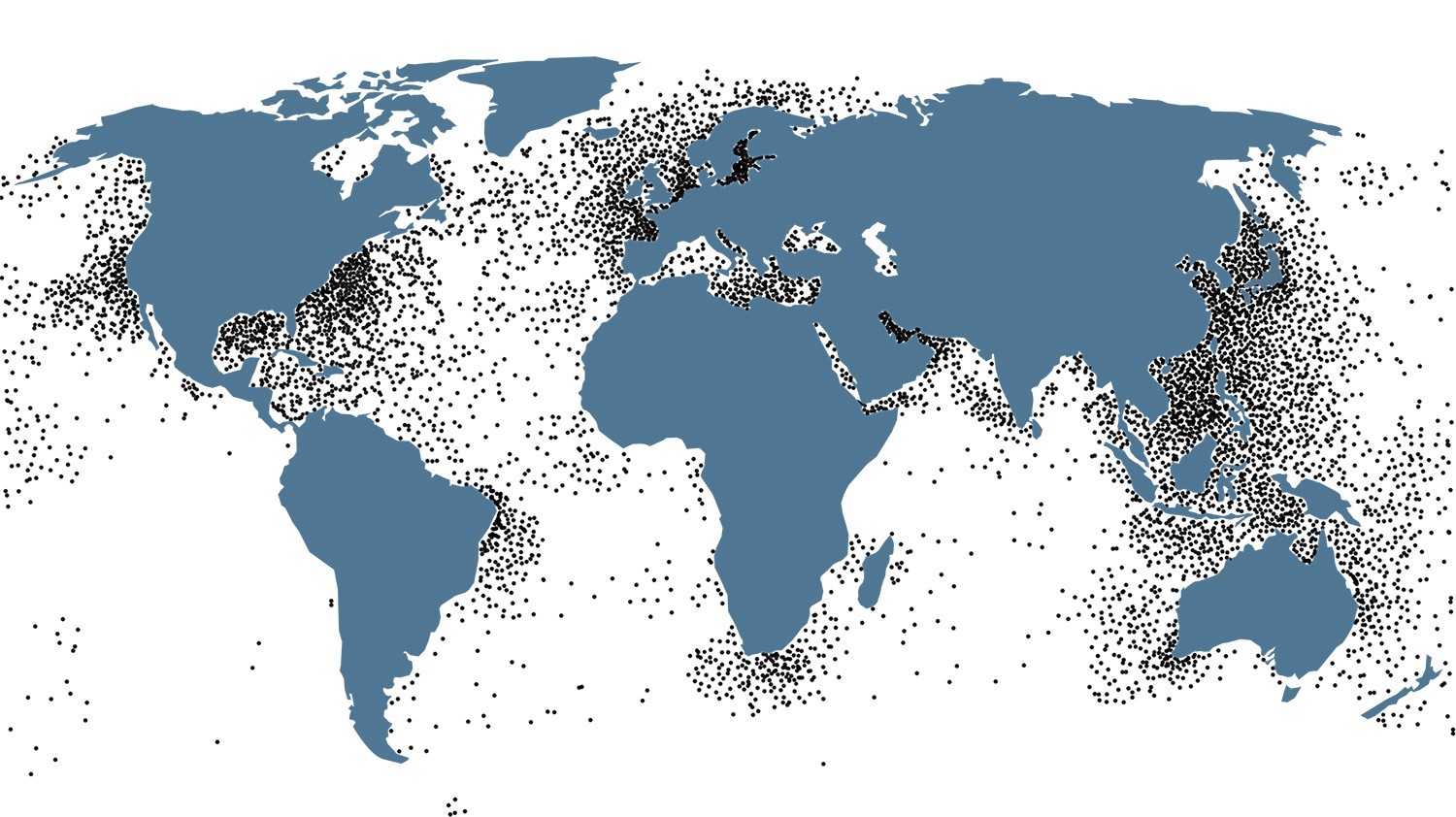
There are more than 8500 wrecks on the bottom of our oceans still containing up to 20 Million tons of oil, an enormous threat for all marine and coastal habitats.
"How could we prevent marine pollution in different ways, each tailored to a unique context?"
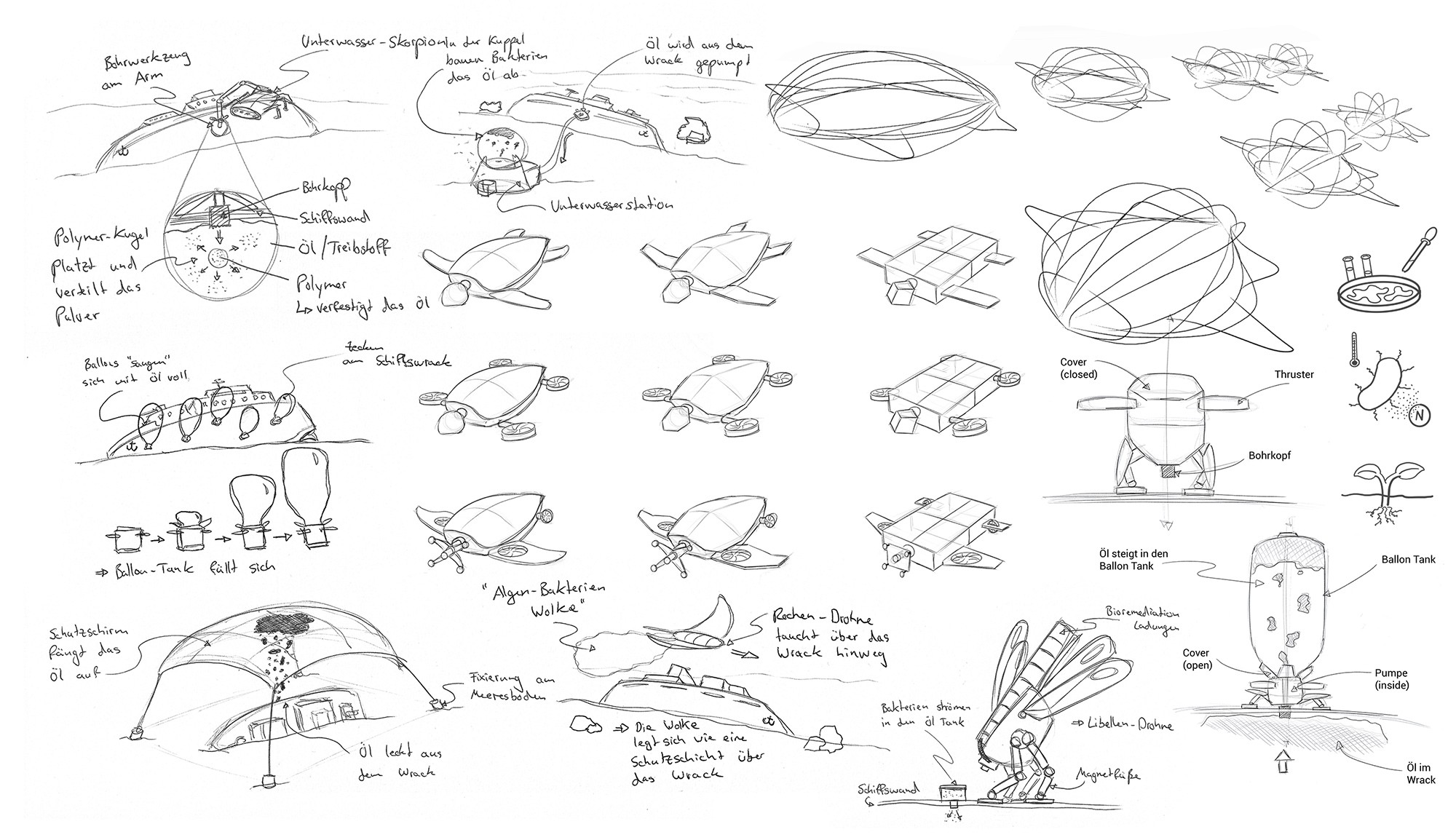
My challenge was to move beyond a "one-fits-all" concept. I developed three distinct, standalone systems. Each explores a different strategic philosophy of intervention to create a versatile toolkit for this complex problem.
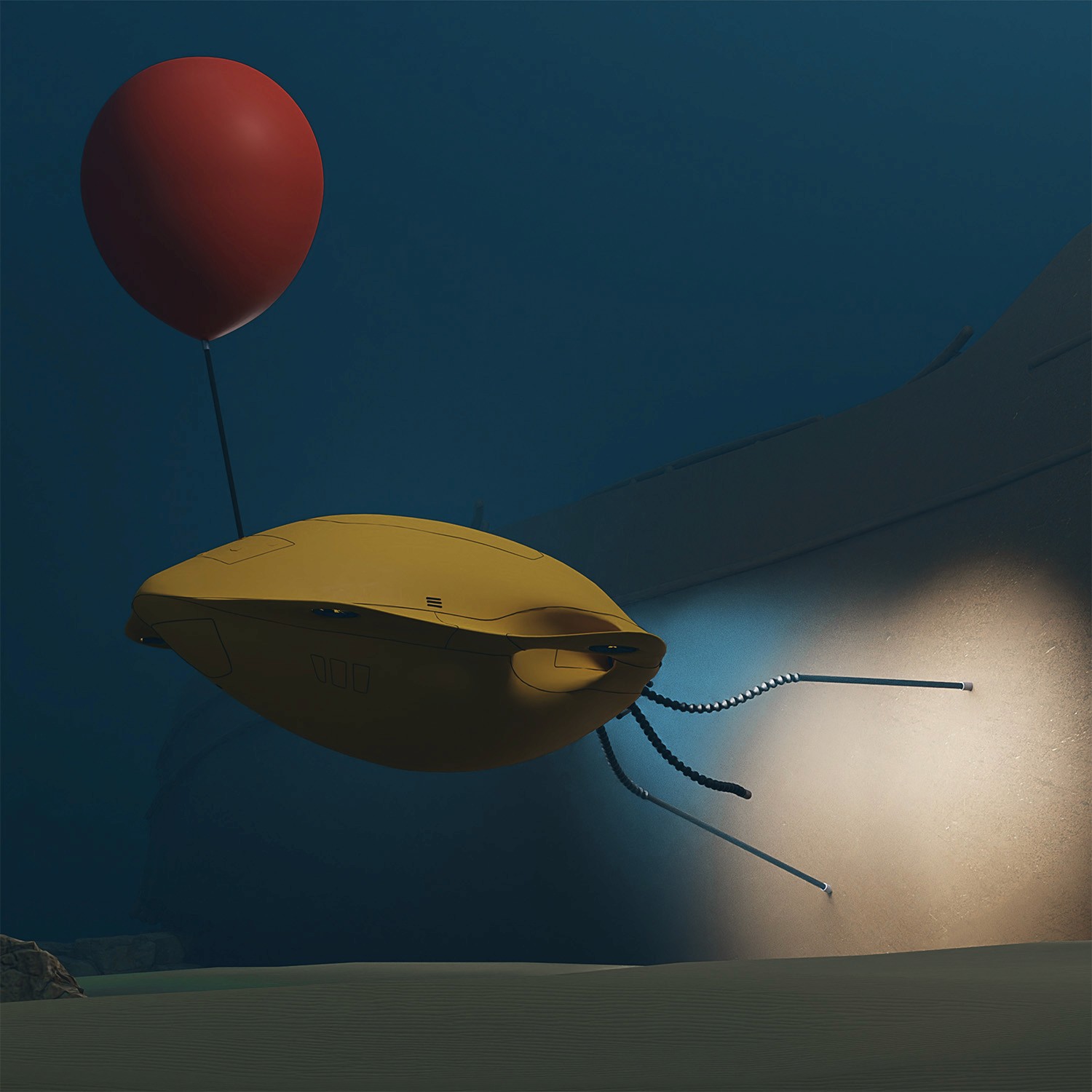
The Agile Responder
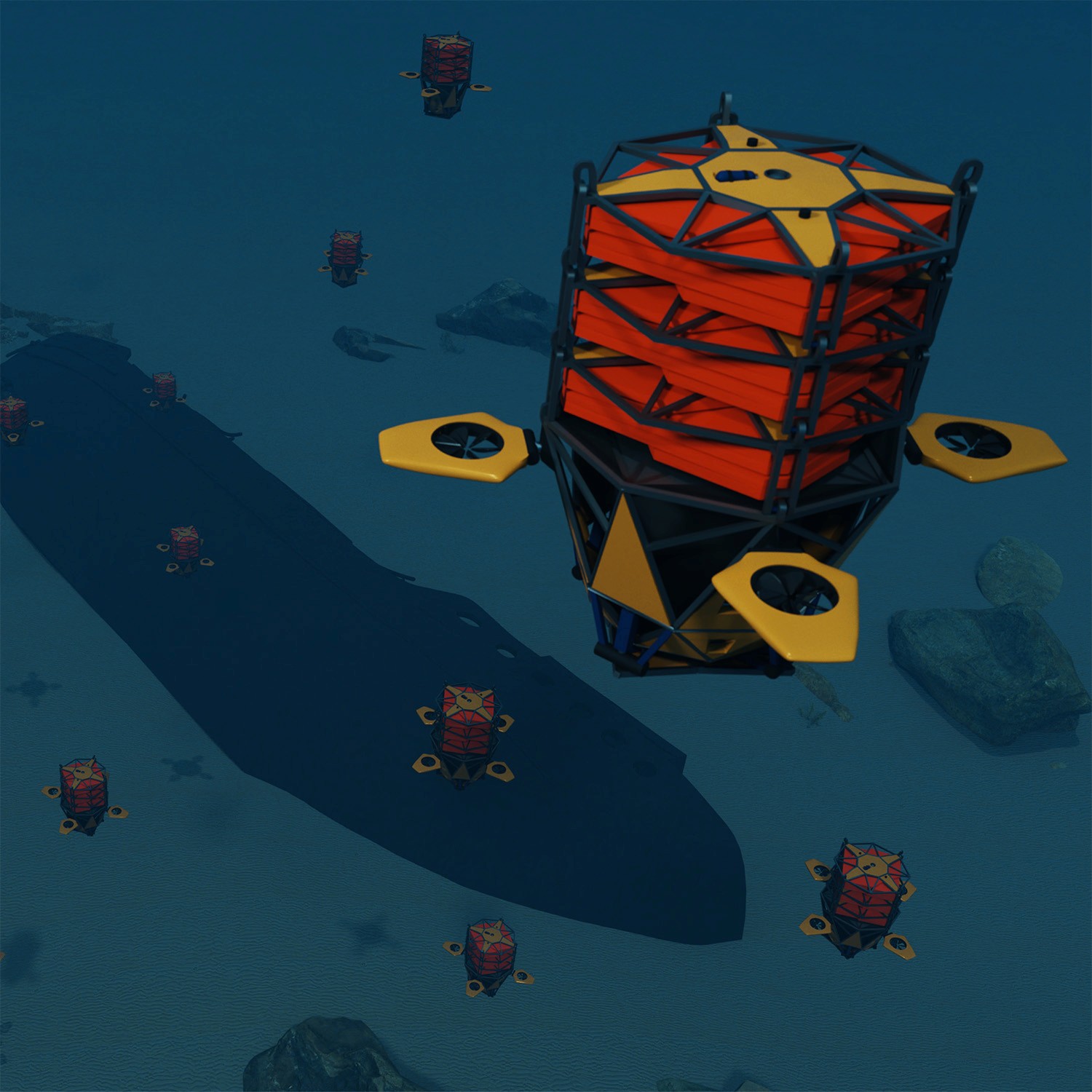
The Industrial Swarm
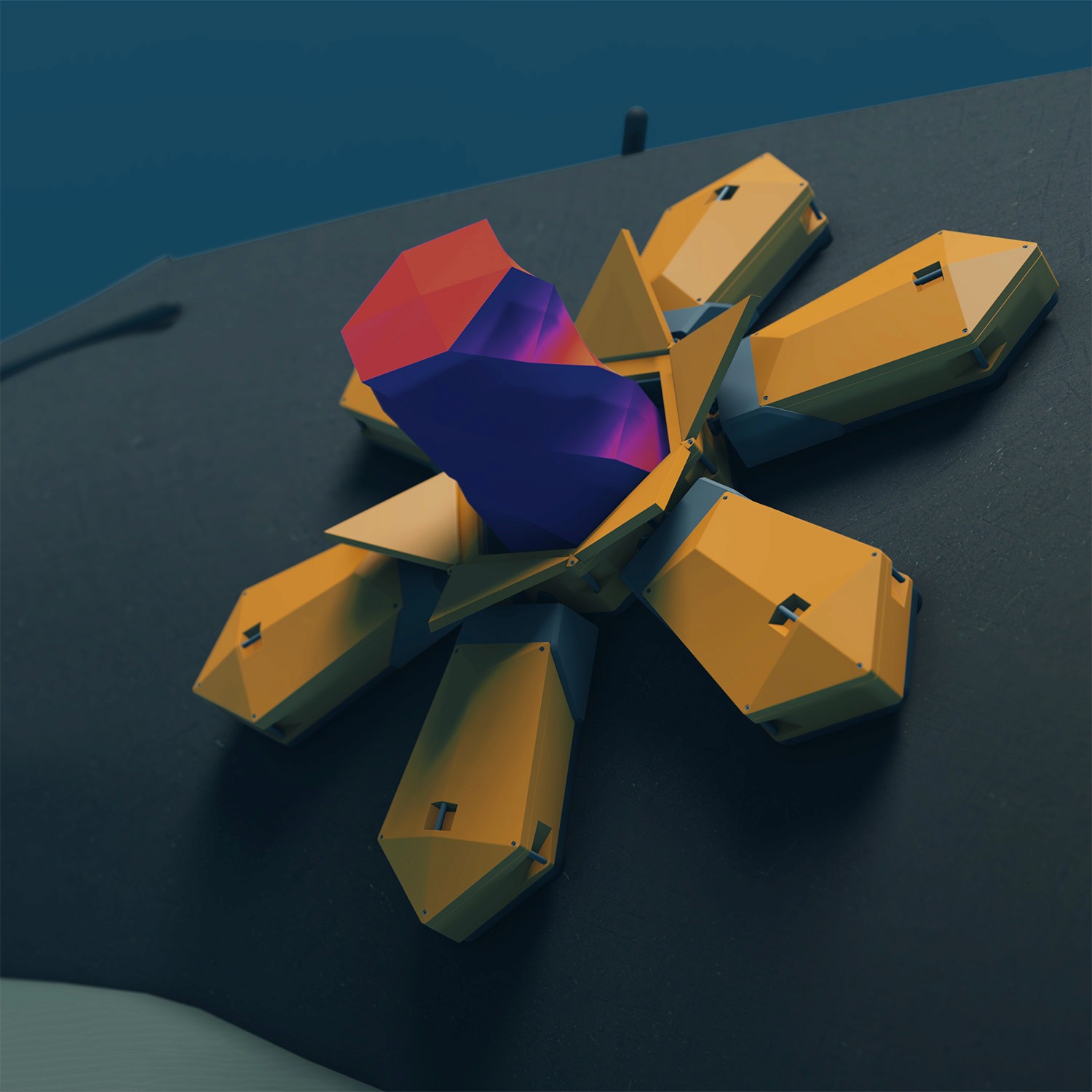
The In-Situ Healer
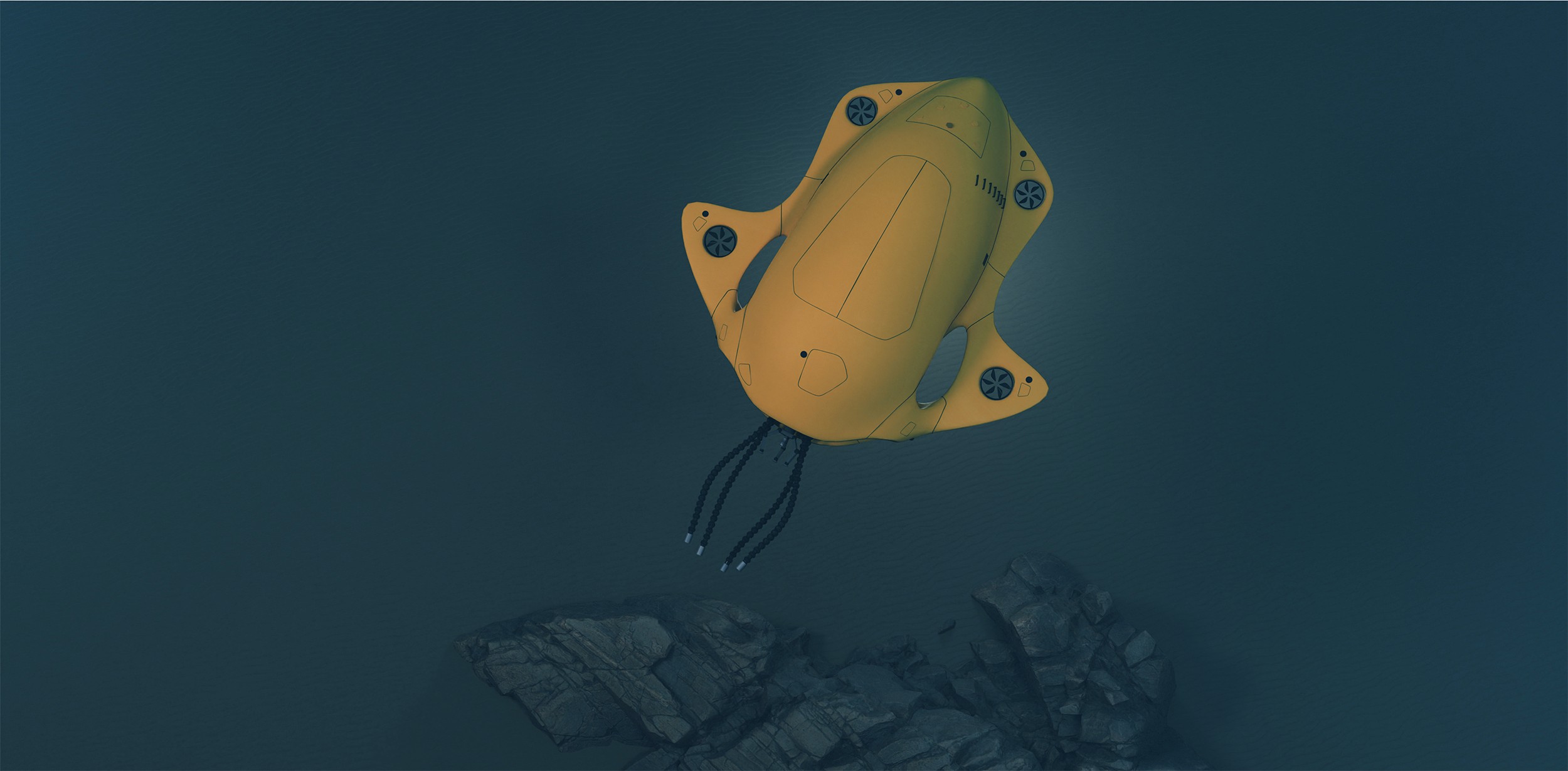
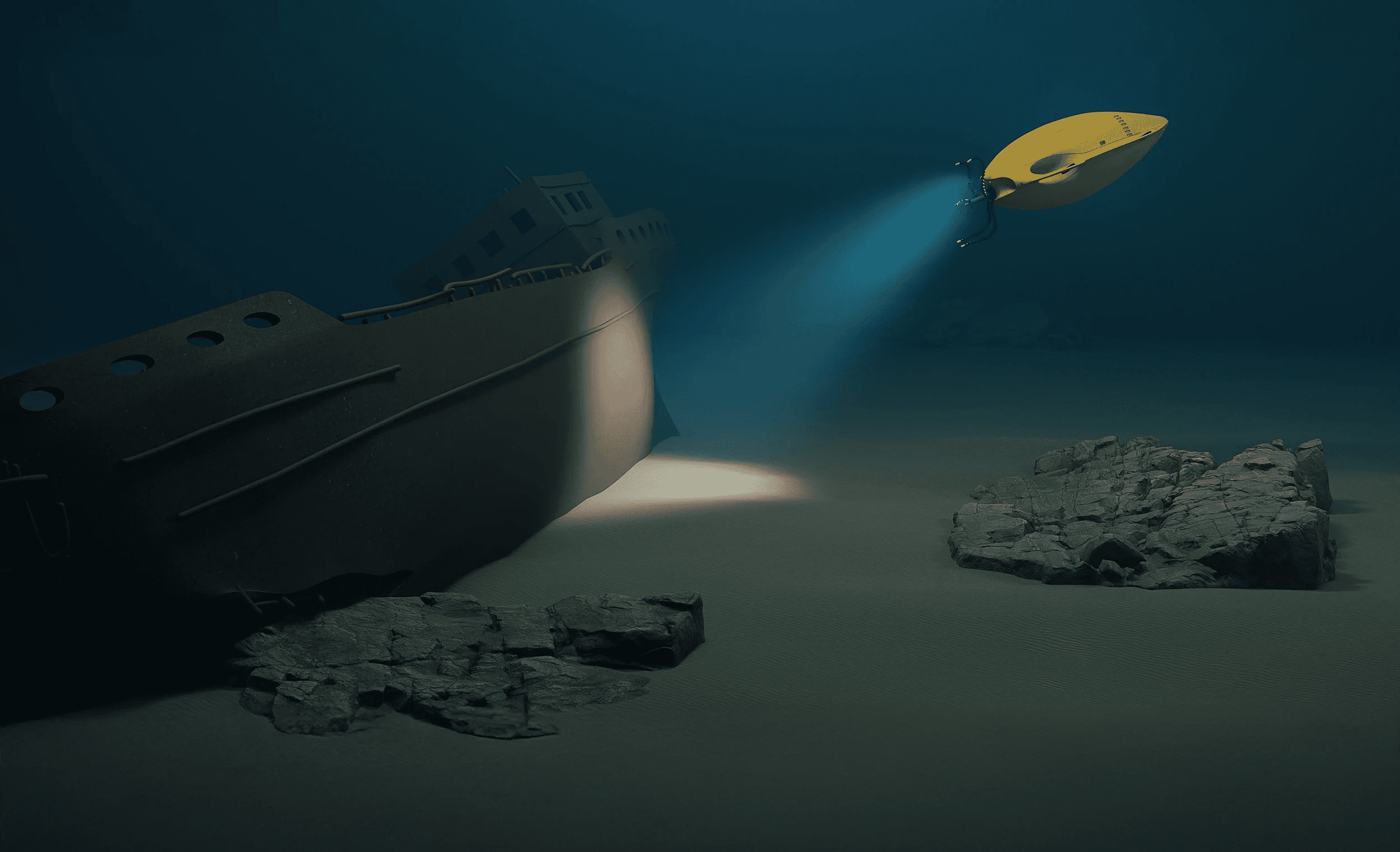
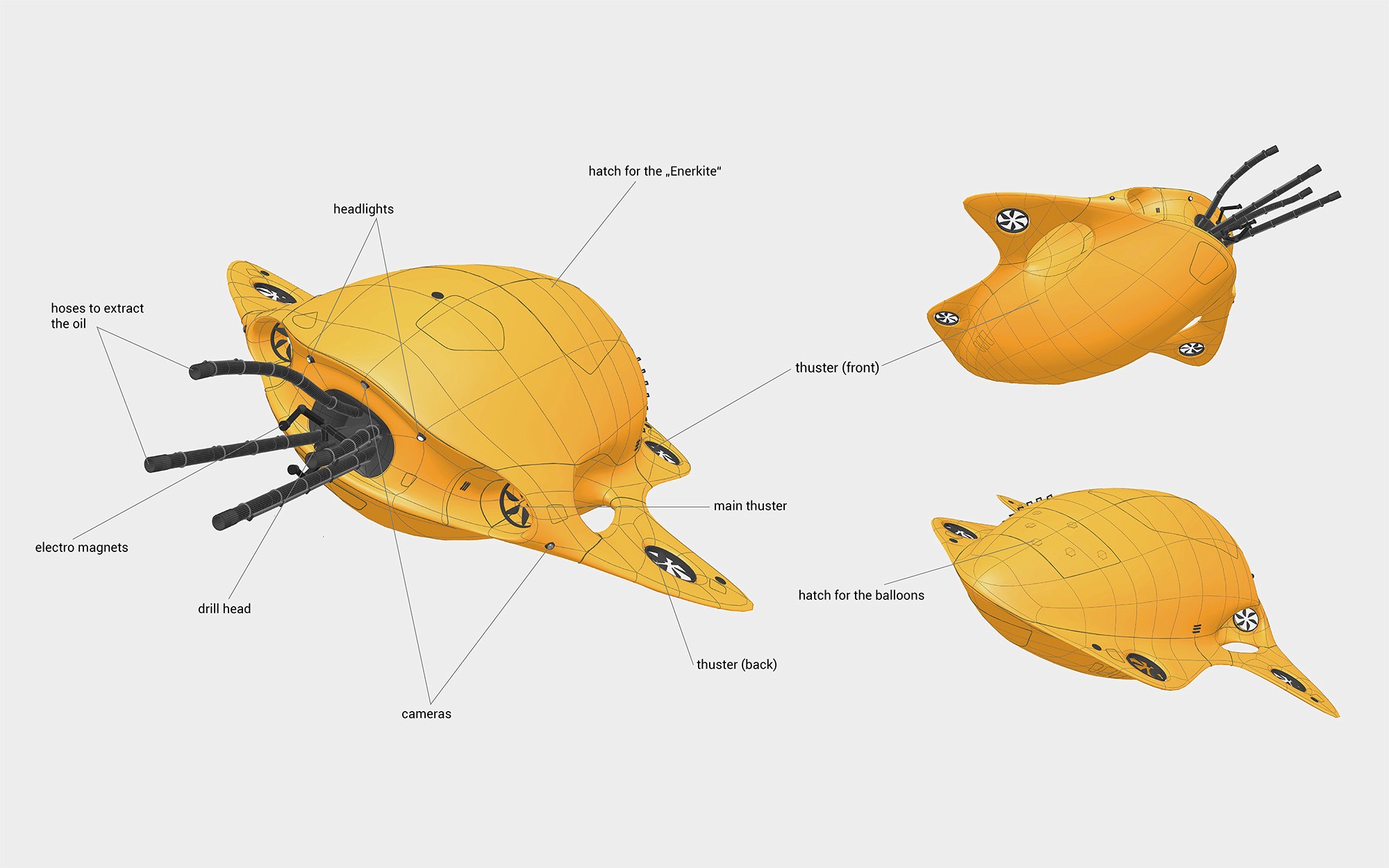
A single, fully autonomous submersible that operates with complete independence to find, access, and extract oil from smaller, often remote wrecks. It travels independently through the ocean, navigates to a target wreck, and performs the oil extraction.
Crucially, it can surface to recharge its batteries via solar, allowing it to operate for months without a support vessel, making it a highly agile and cost-effective solution.
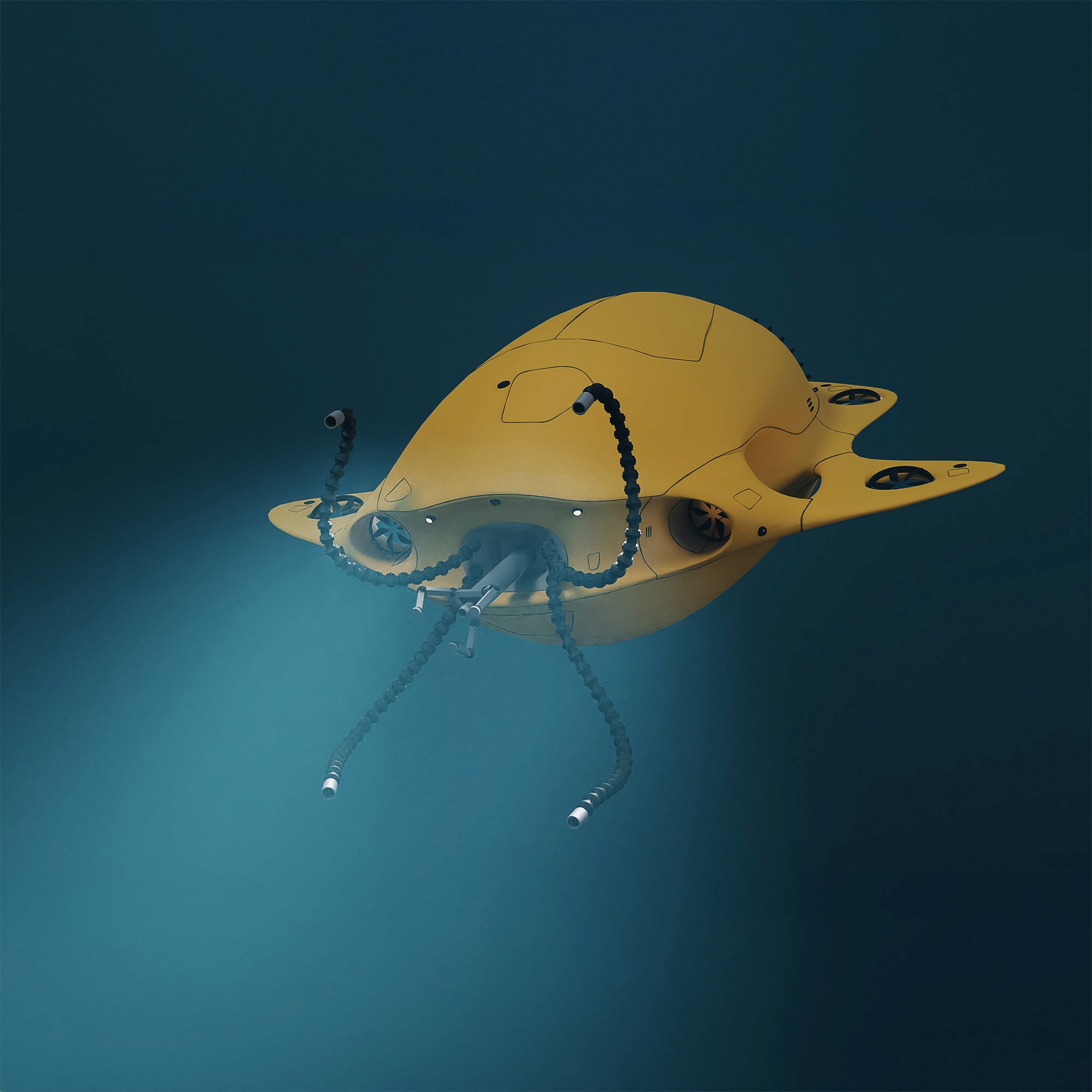
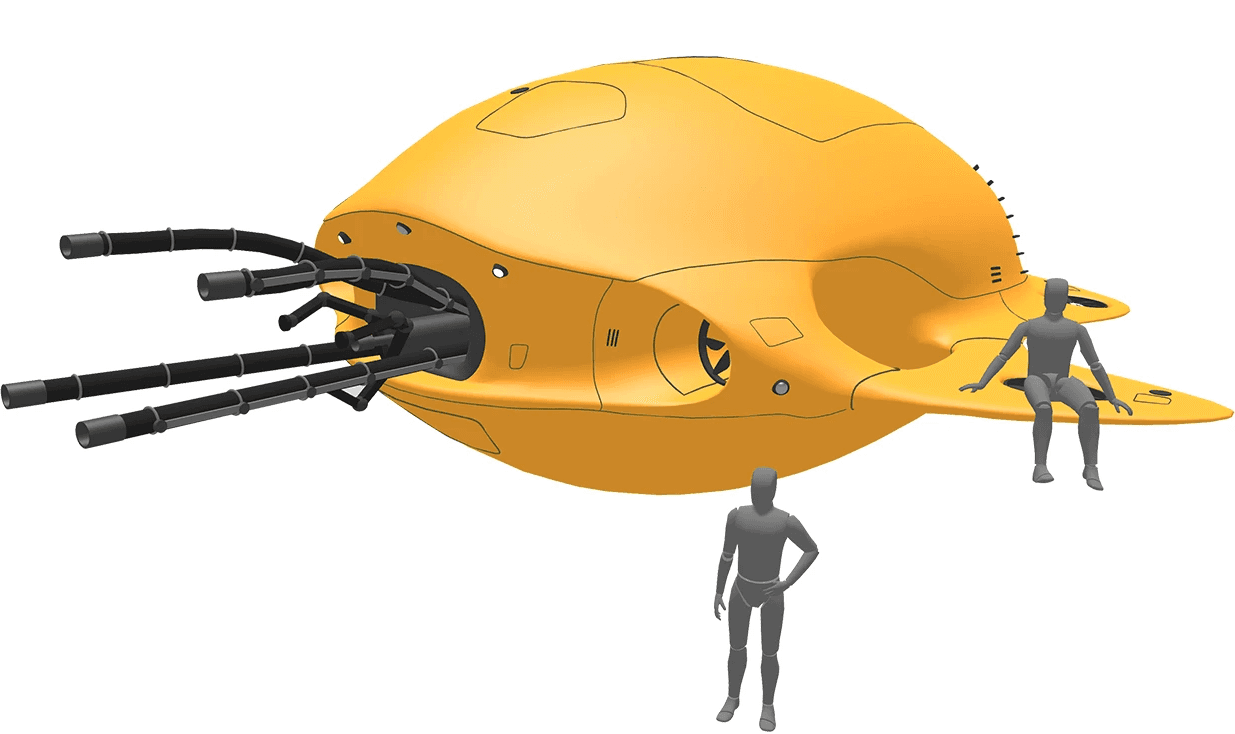
By eliminating the need for a constant support vessel and crew, SEPIA can tackle the "long tail" of smaller, scattered wrecks that are currently too expensive to remediate.
Ideal for a single, smaller wrecks in remote ocean locations. Especially in situations where deploying a full crew and support ship is cost-prohibitive. SEPIA could also be deployed to monitor and cleanup a known problem area step by step.
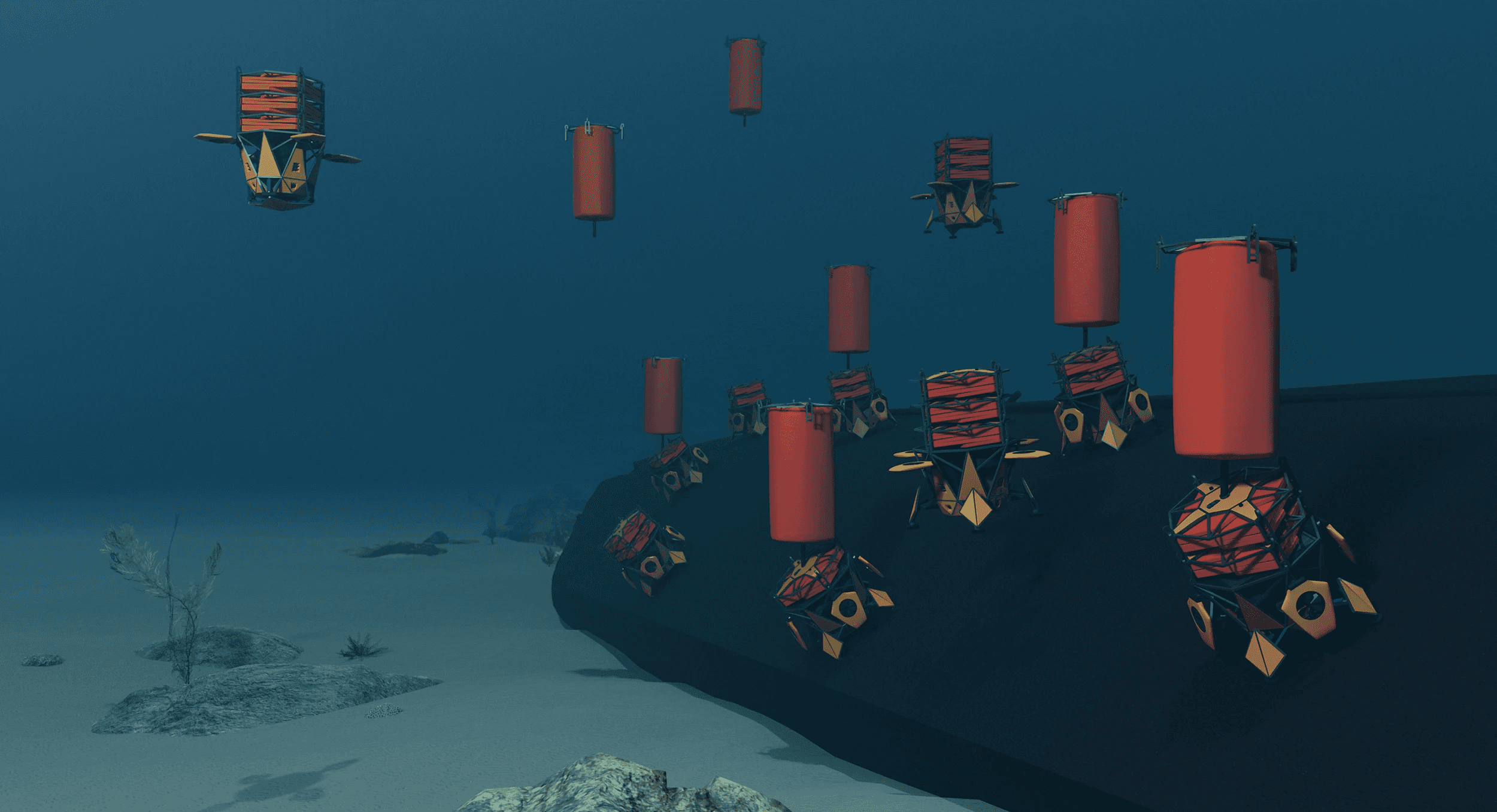
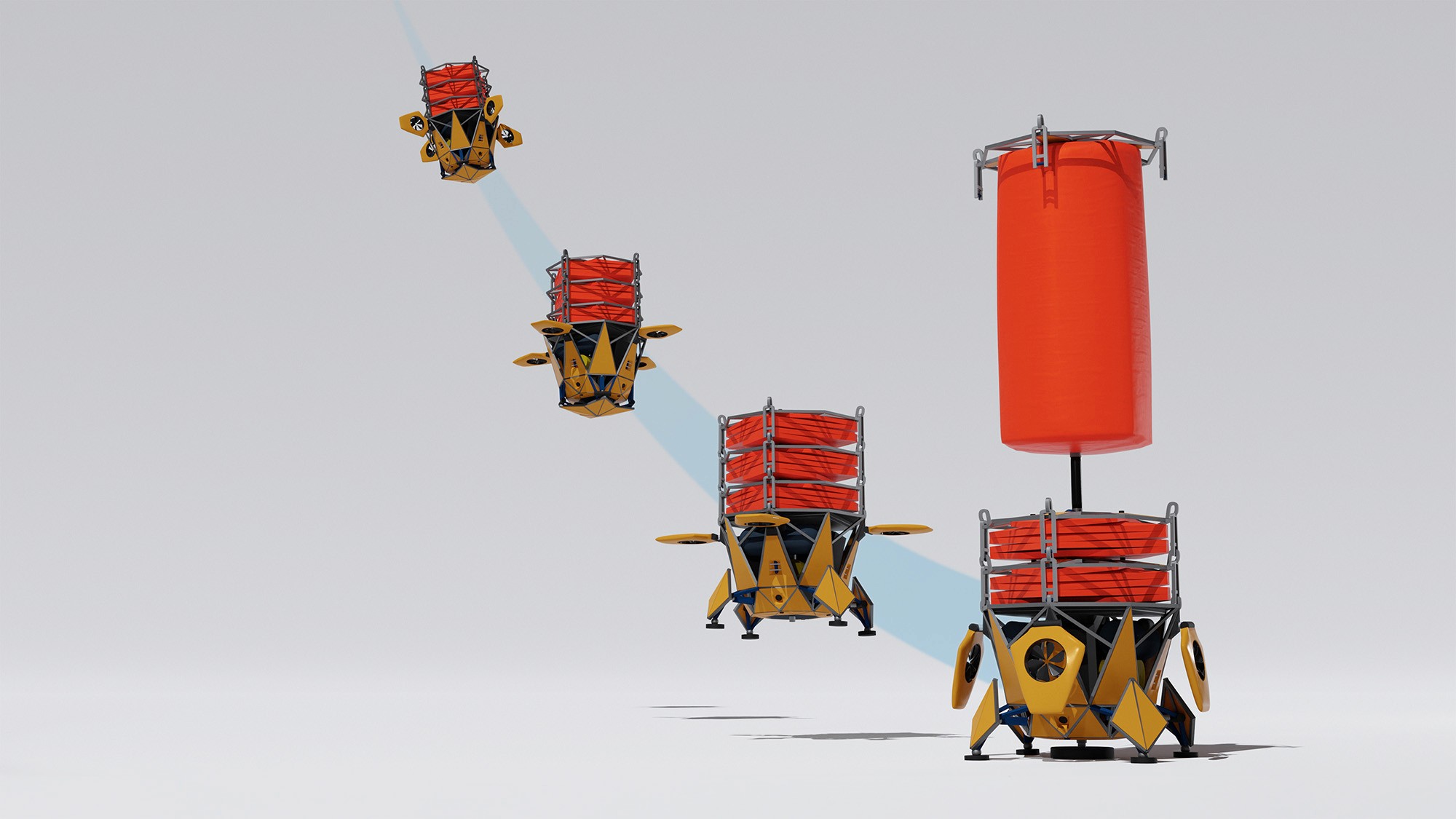
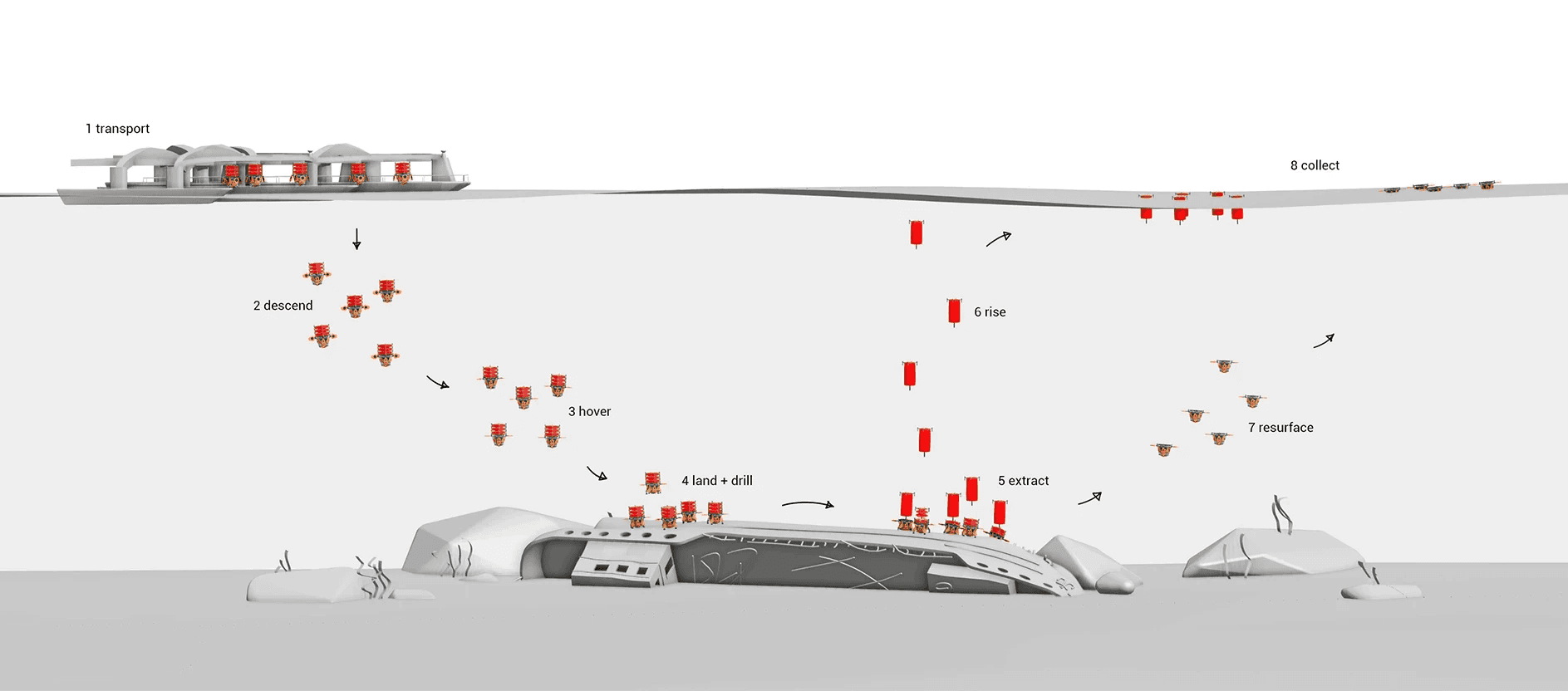
A high-throughput system where a coordinated swarm of AUVs is deployed from a support vessel to rapidly extract large quantities of oil from a major wreck. This concept is a heavy-duty intervention. A ship brings the swarm to the site and deploys it.
The AUVs then work together, executing a pre-planned mission to access the wreck and transfer oil into large, buoyant storage balloons. The support vessel then collects the drones and the oil-filled balloons for transport back to shore.
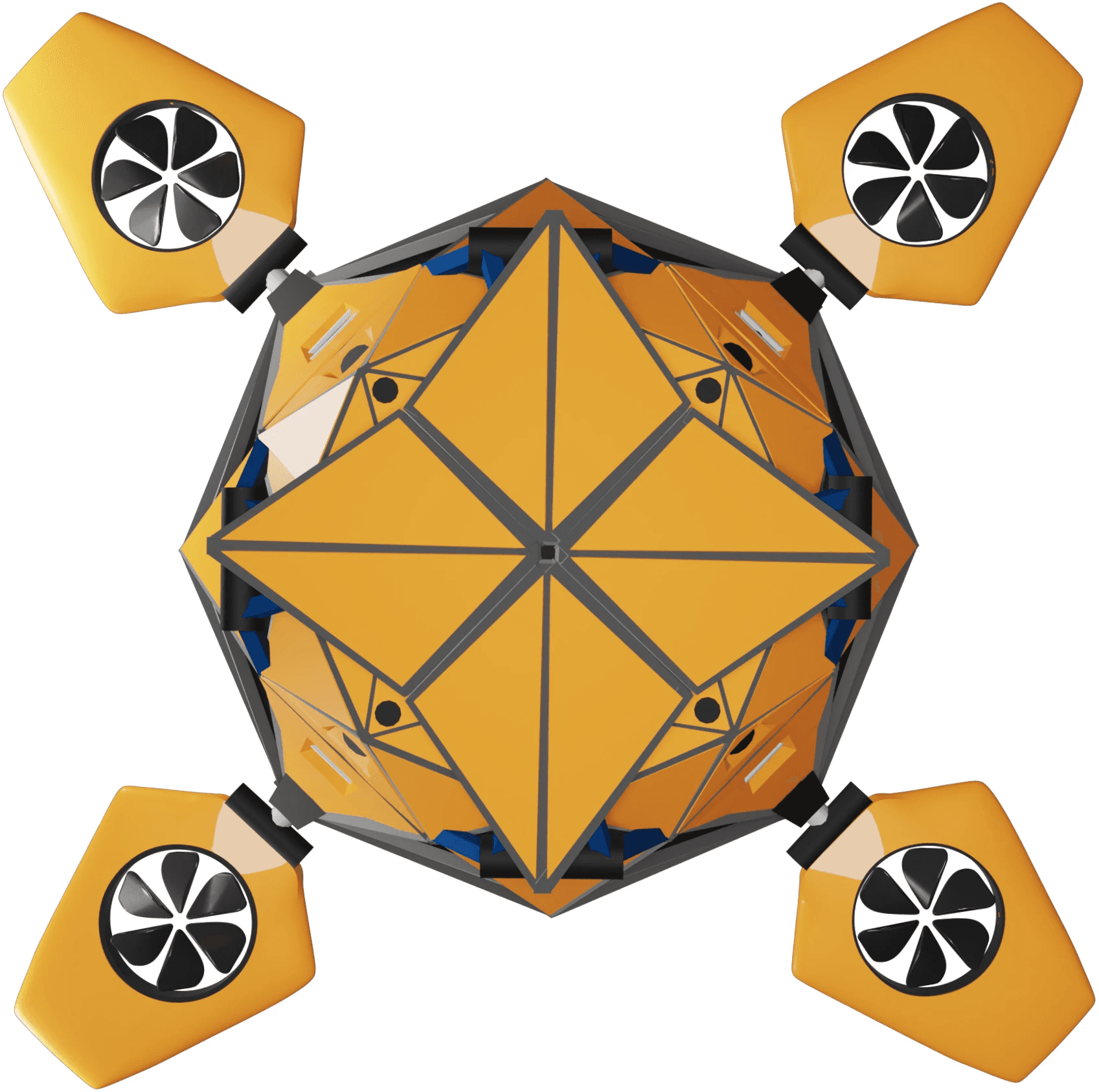
While it requires human support, the VRAKBOCK swarm's key strength is speed and scale. By working in parallel, the swarm can extract massive amounts of oil in a fraction of the time, tackling the largest and most urgent threats.
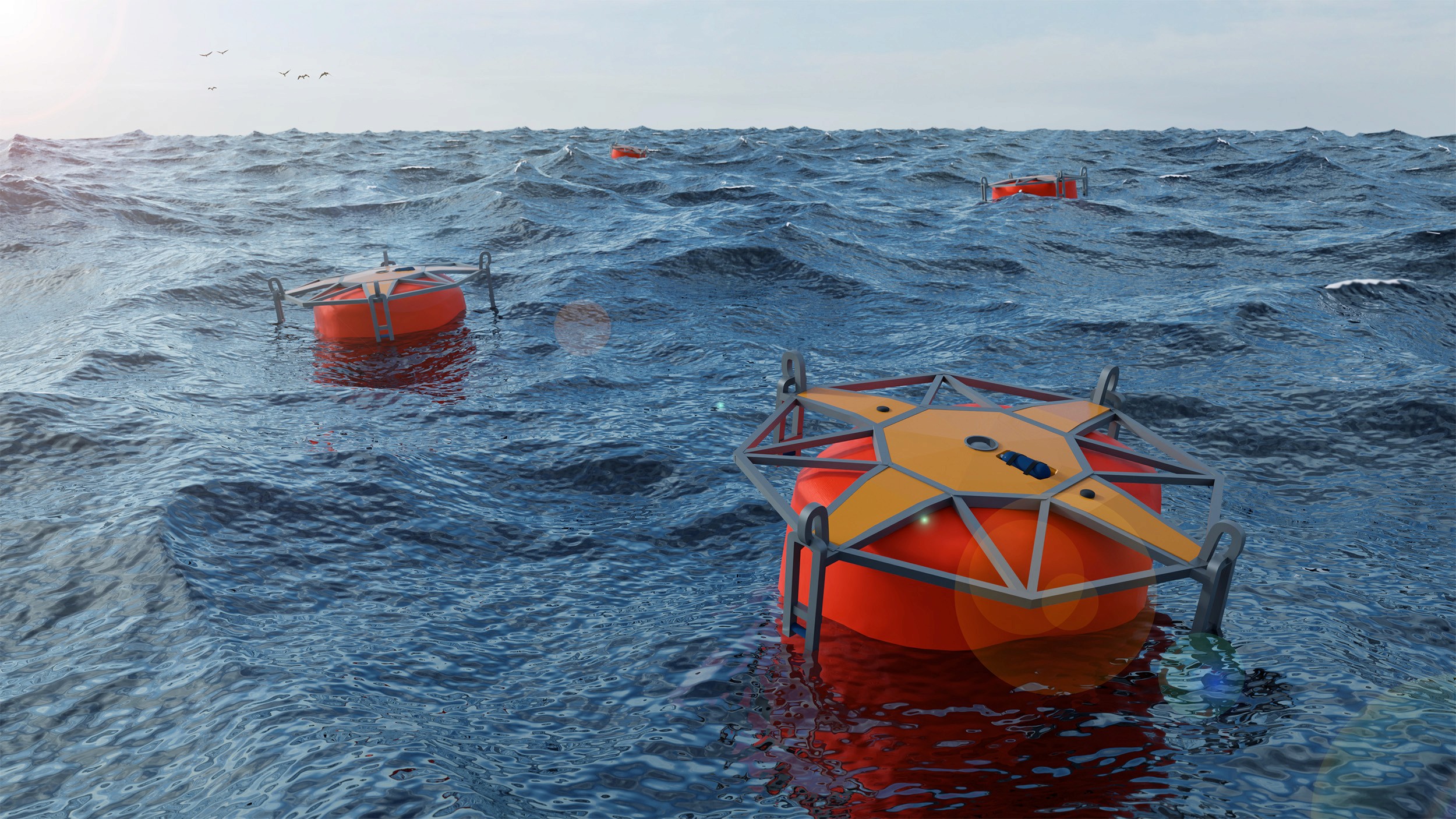
Made for large tanker or cargo ships with massive amounts of oil. Suitable for urgent situation where a major leak is imminent and speed is the top priority. The best option when human/vessel support is available and budgeted.
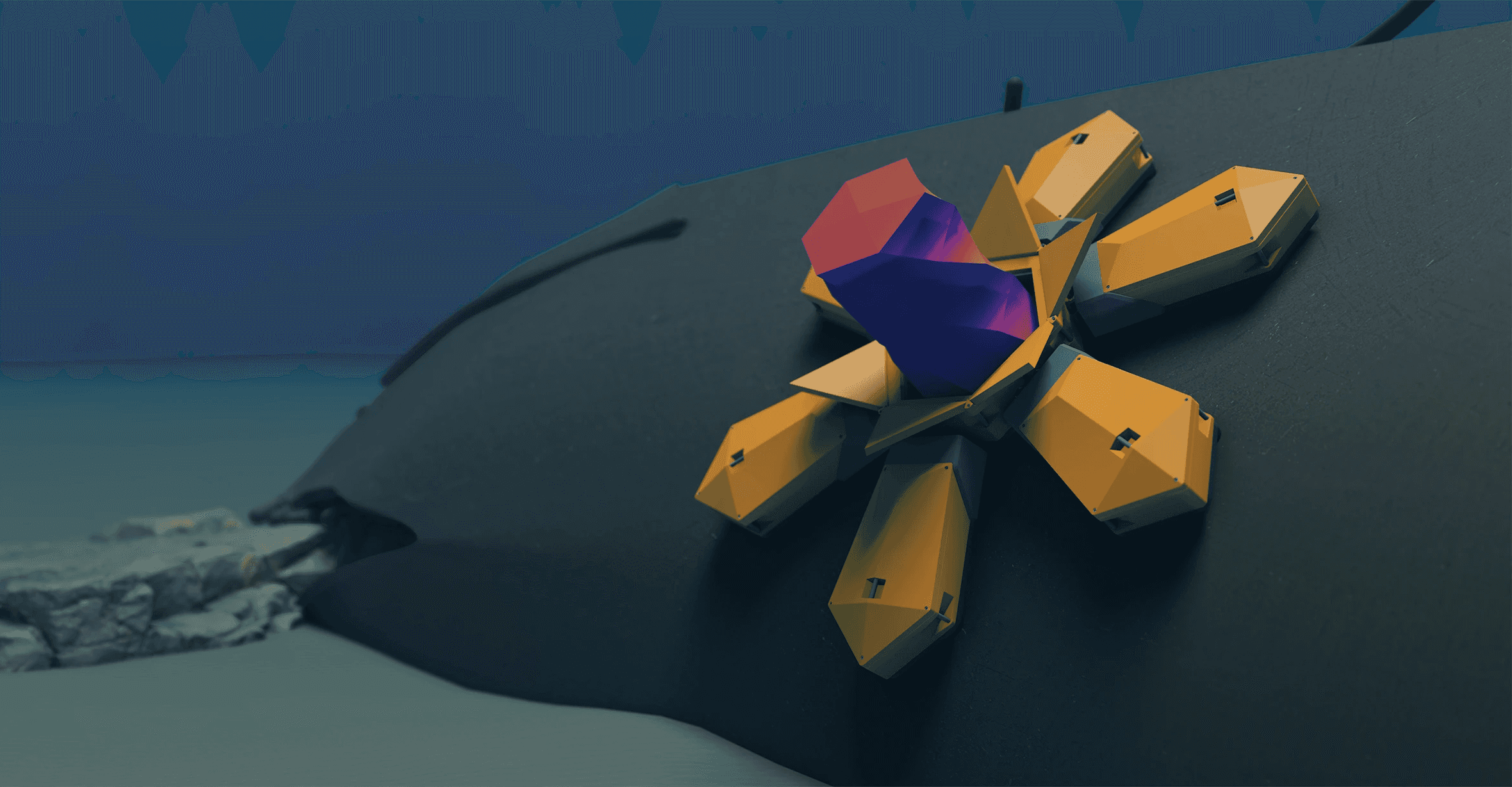
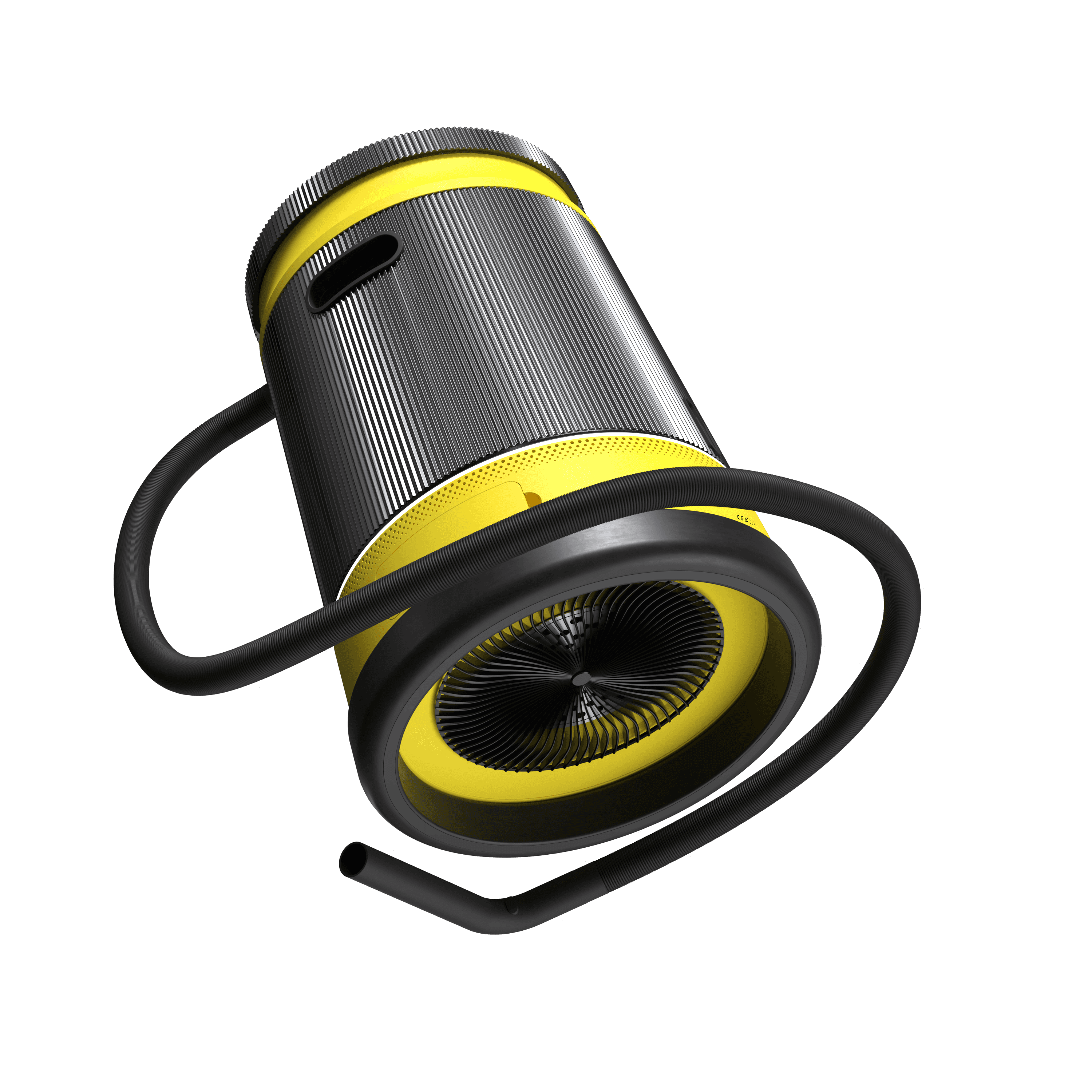
A modular, semi-permanent station that attaches to a wreck and uses "oil-eating" bacteria to degrade the oil on-site, eliminating the need for extraction and transport. BIOSTIM is a biological solution, not a mechanical one. The station is installed on the wreck, where it remains for weeks or months.
Its smart-modules cultivate and manage a colony of microbes, creating the perfect conditions for them to "eat" the oil. A crew only needs to visit periodically to resupply the nutrient modules, not to haul away waste. Once the oil is neutralized, the station is retrieved.
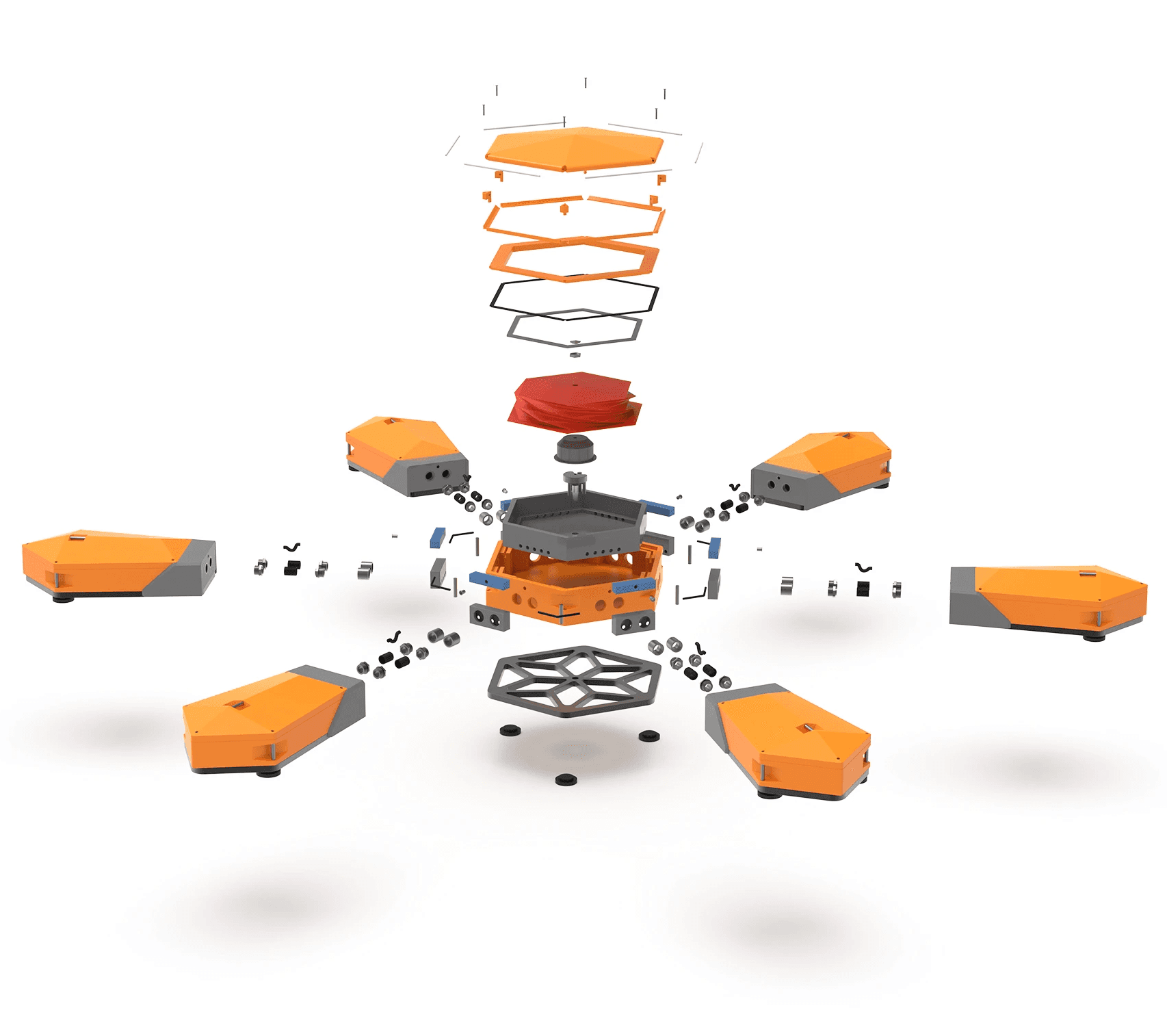
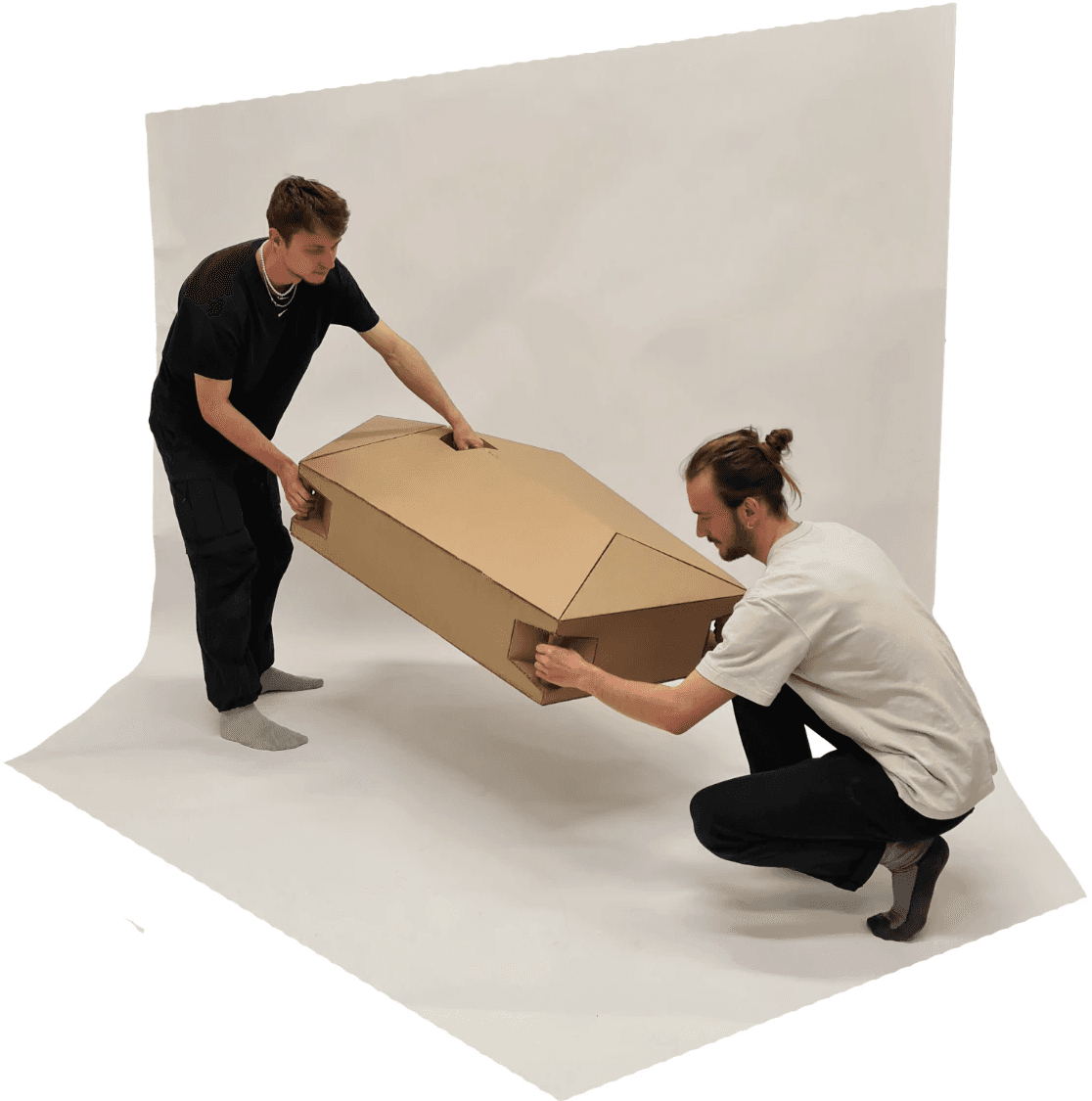
BIOSTIM is the only solution that doesn't physically remove the oil, thus eliminating the risk of a secondary spill during transport. It's a "leave no trace" approach that heals the site from within.
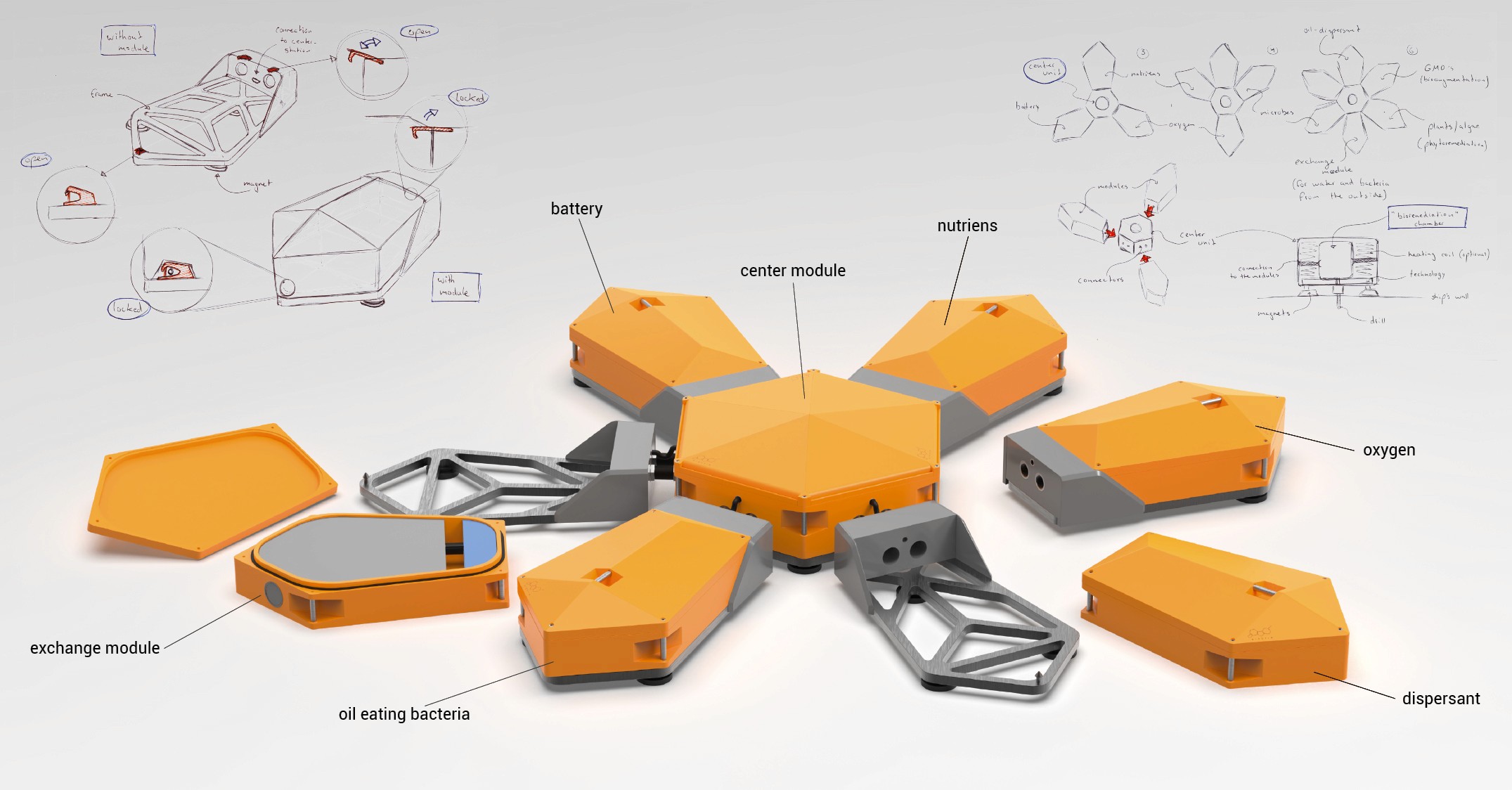
The concept is designed for ecologically sensitive areas like coral reefs or marine parks. It offers a long-term, low-cost remediation option for cases where speed is not the primary factor.
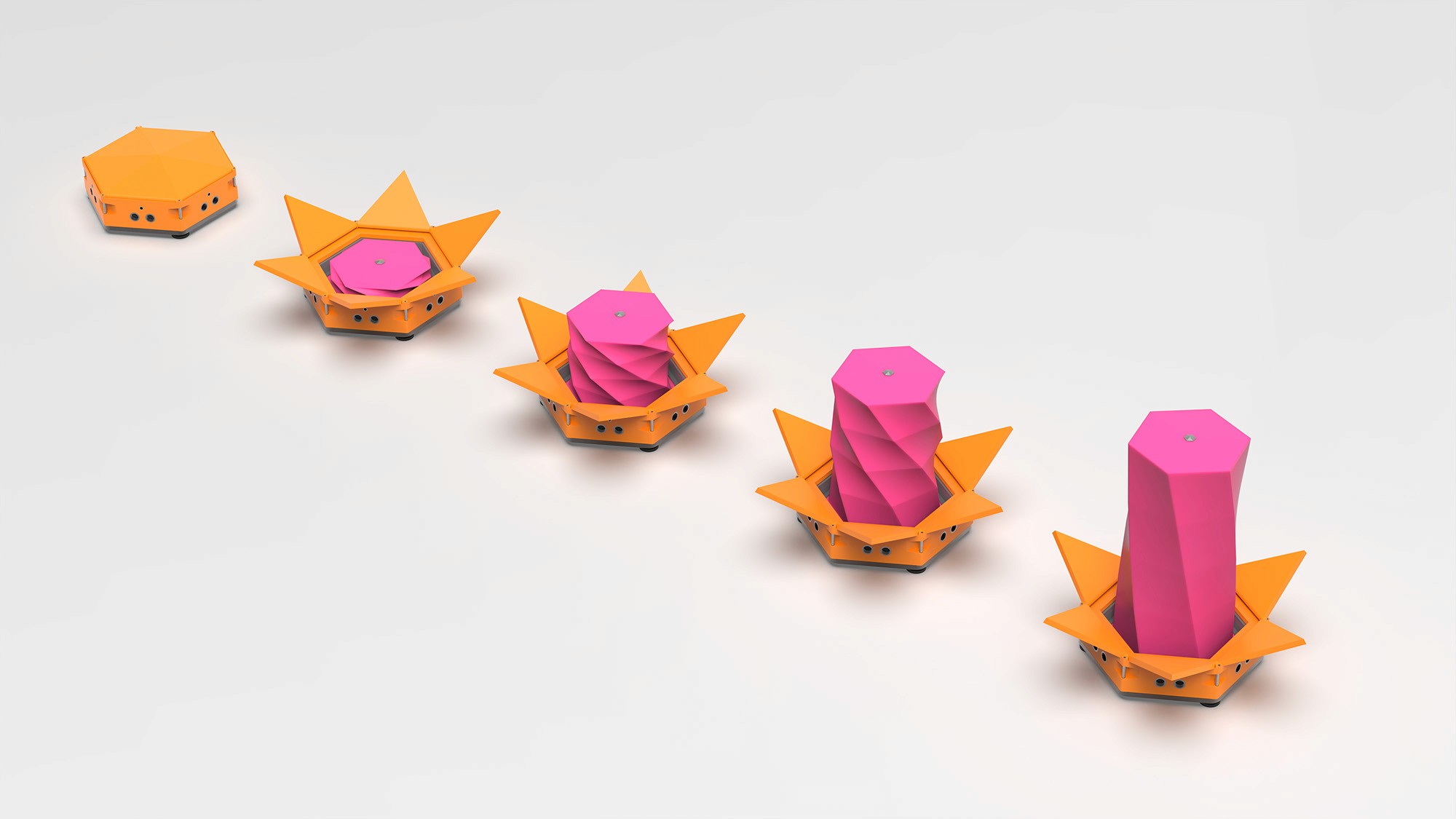
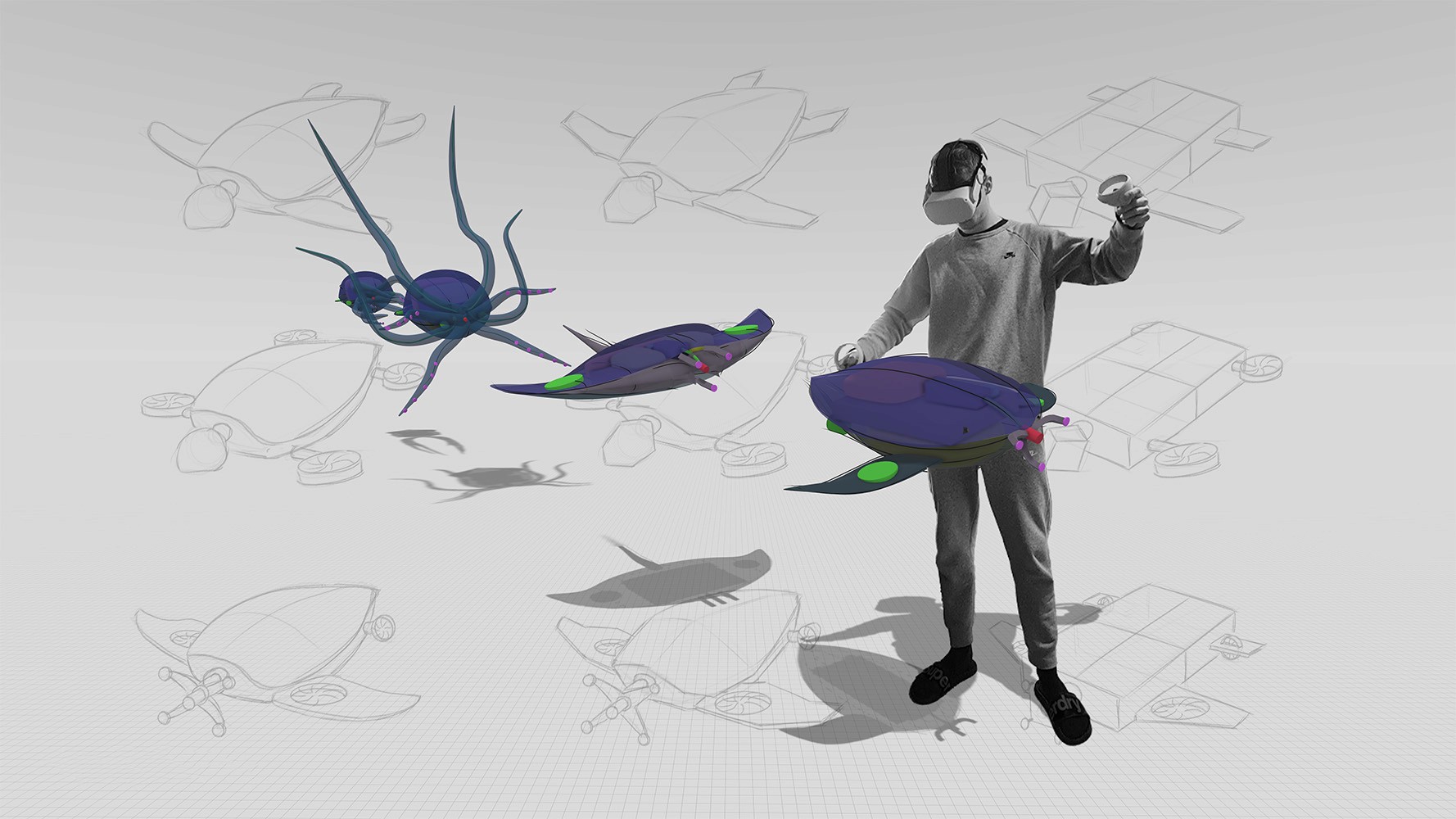
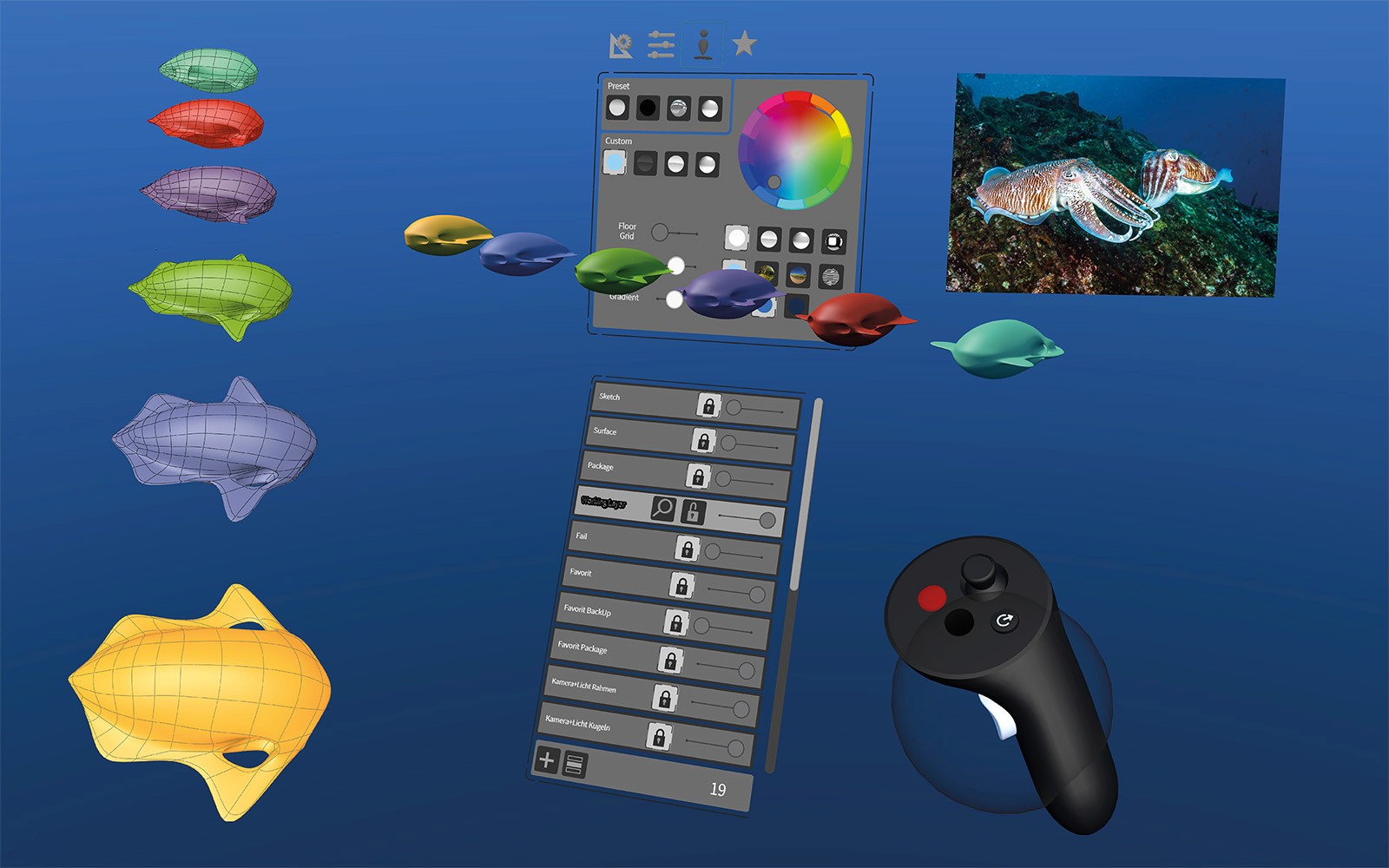
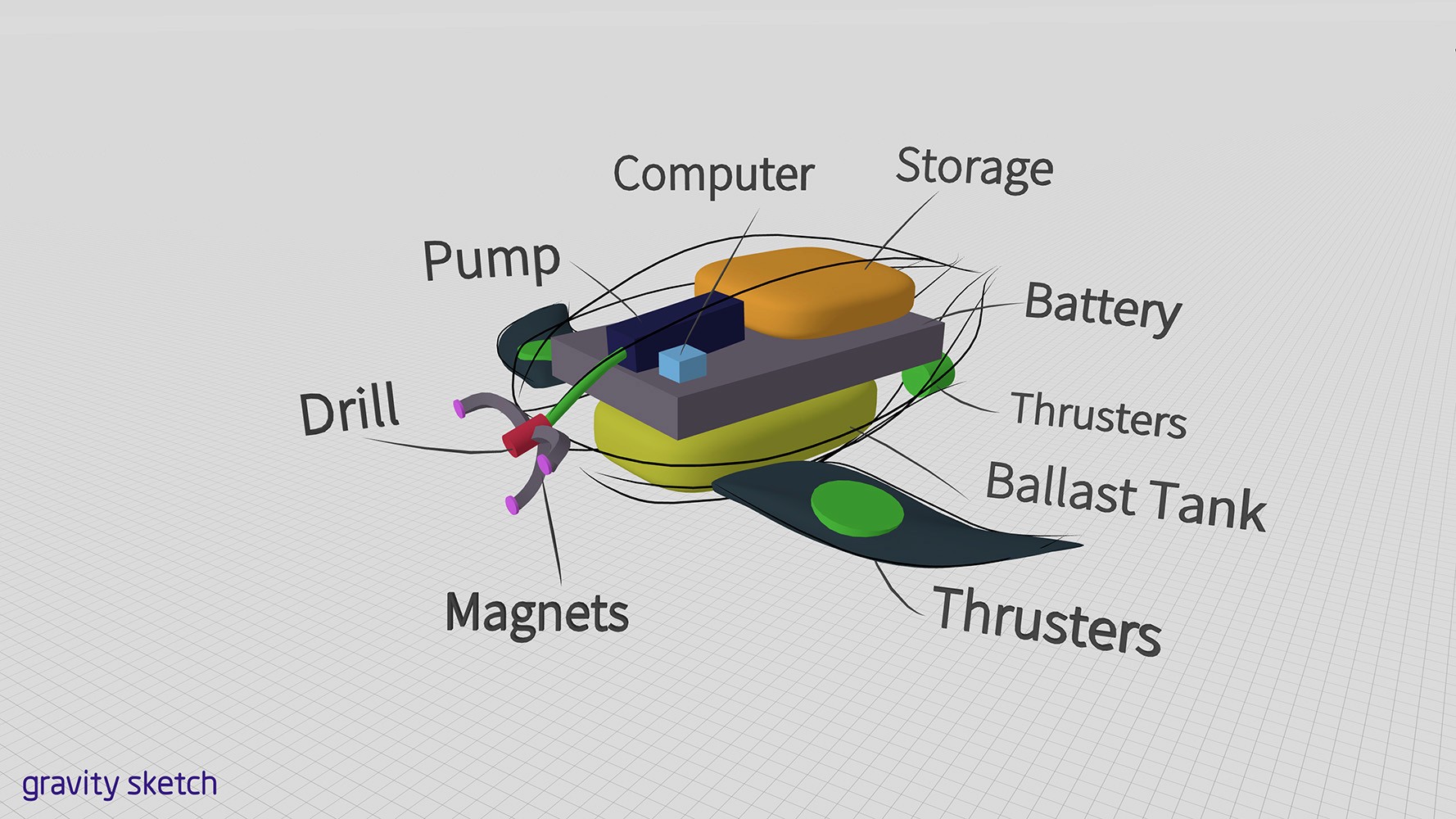
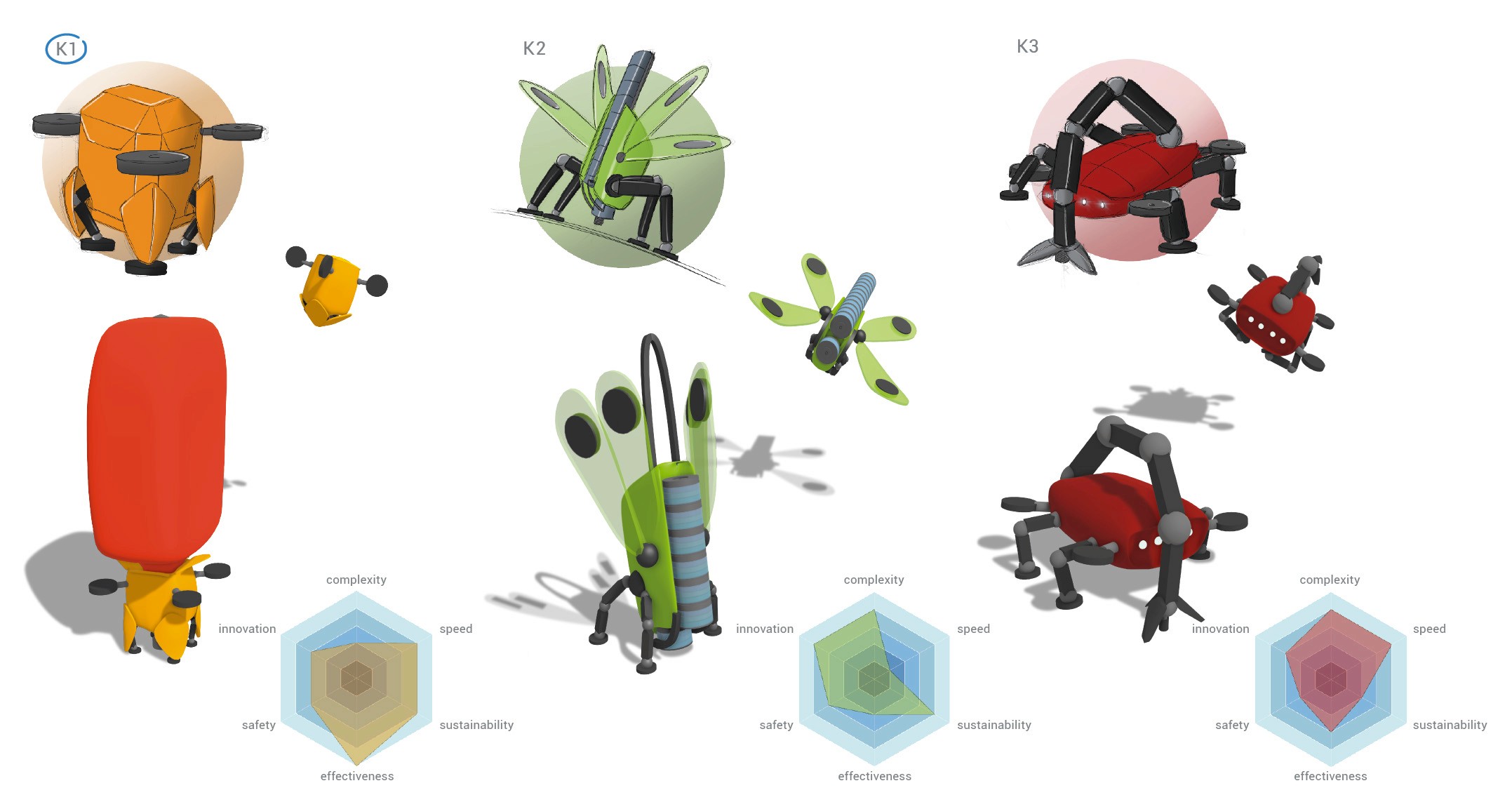
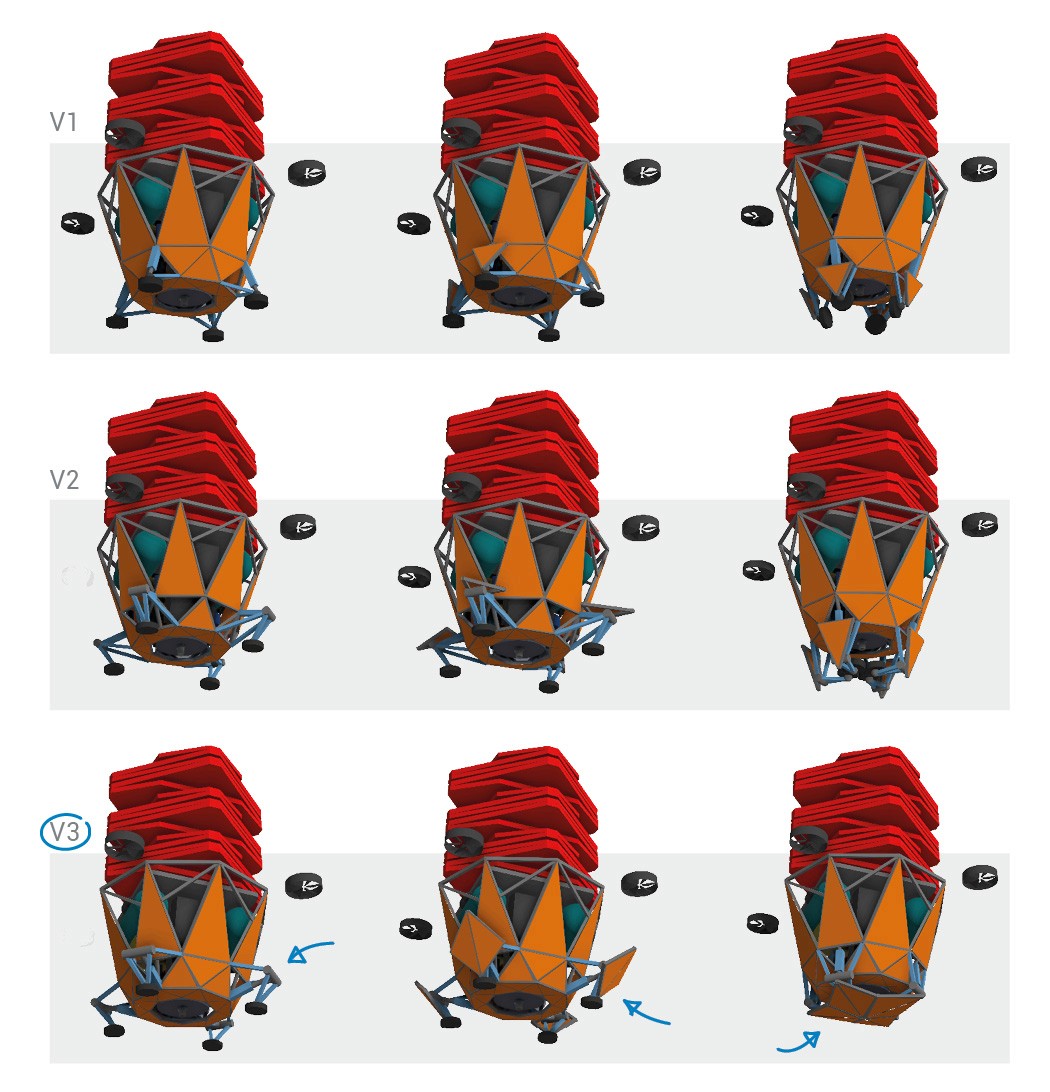
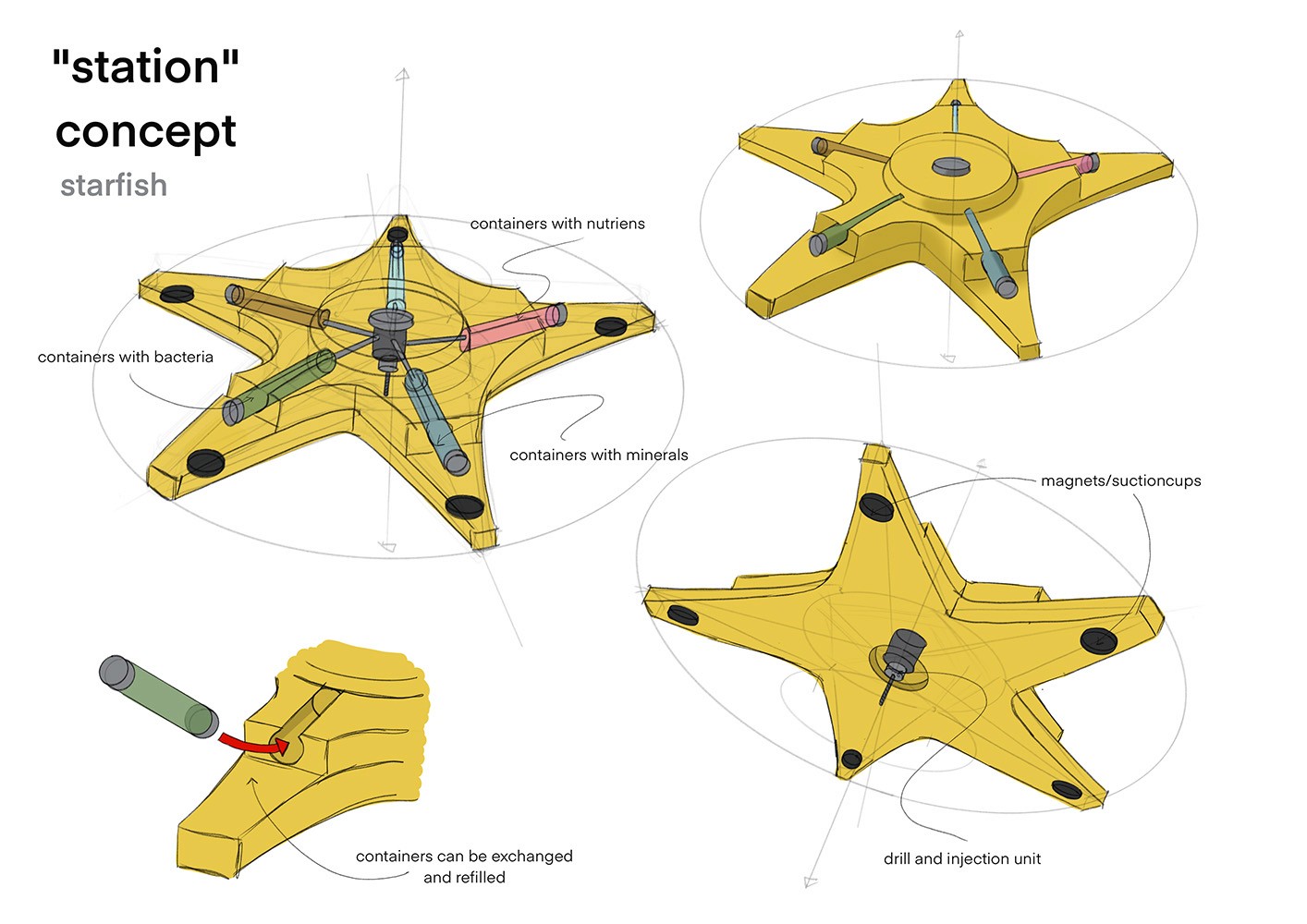
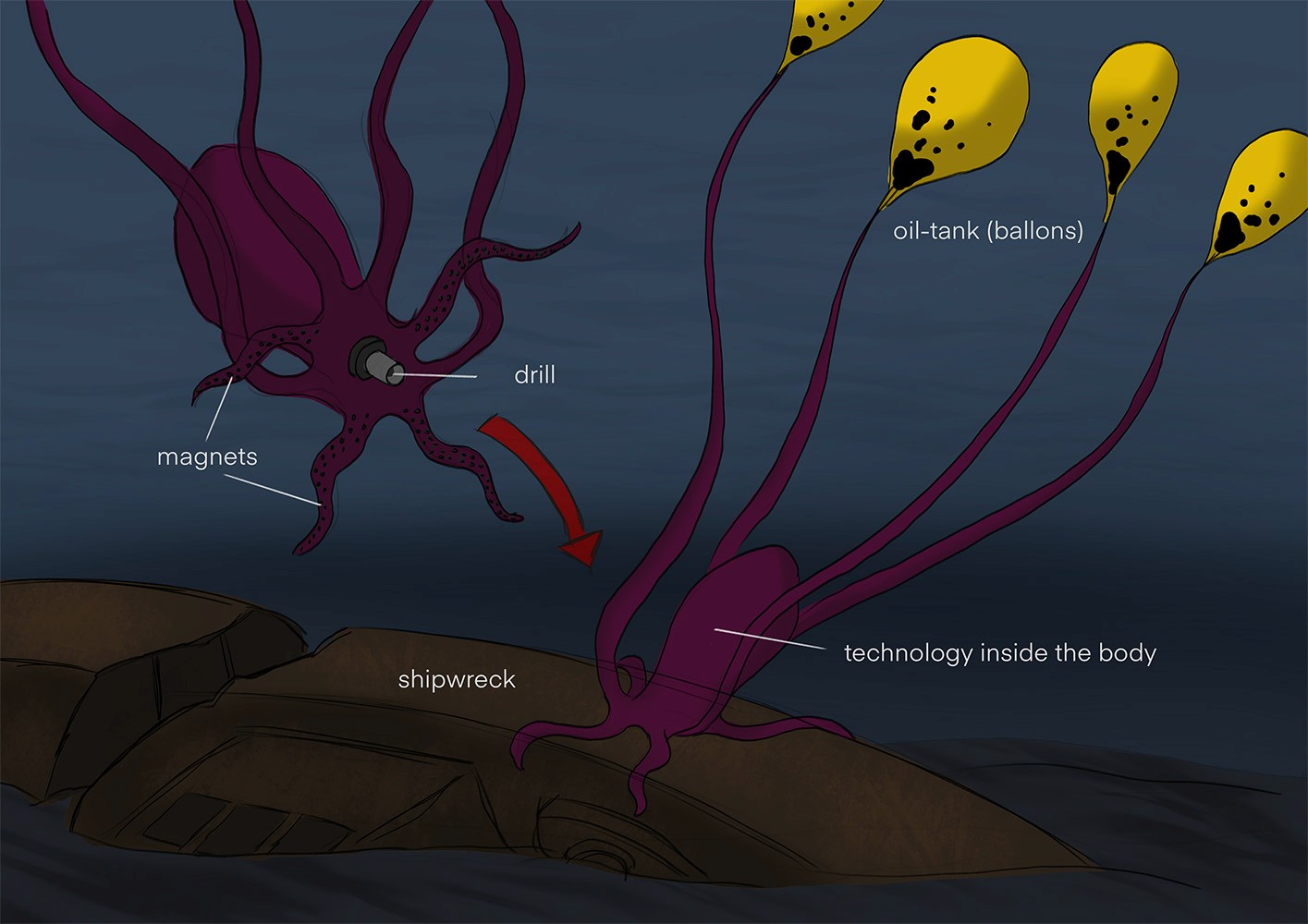
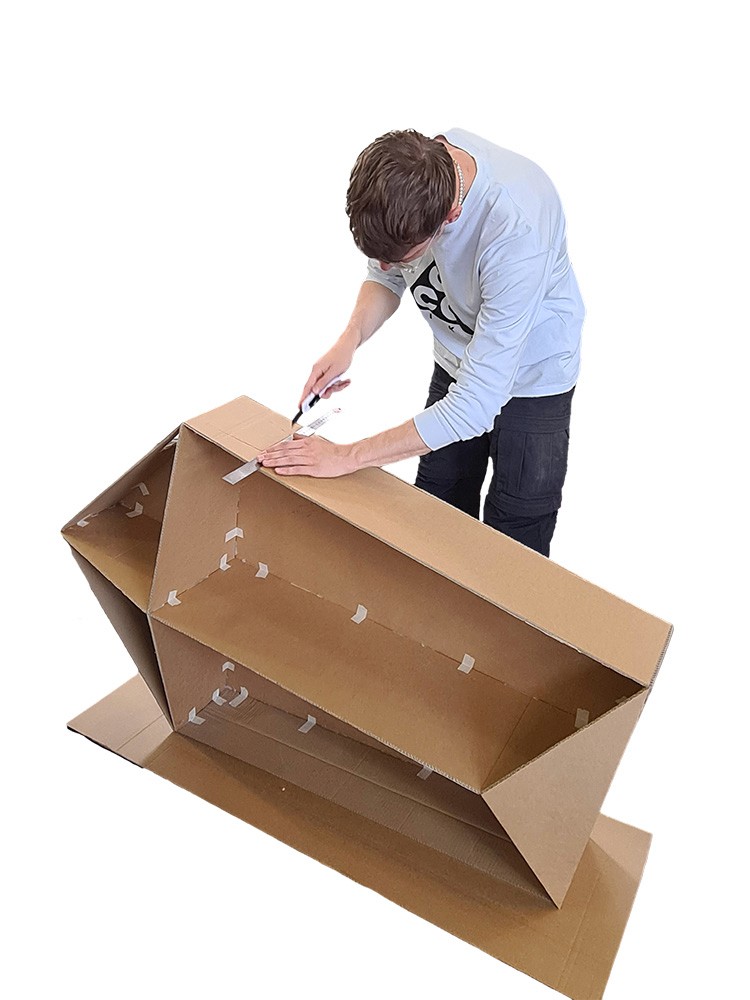
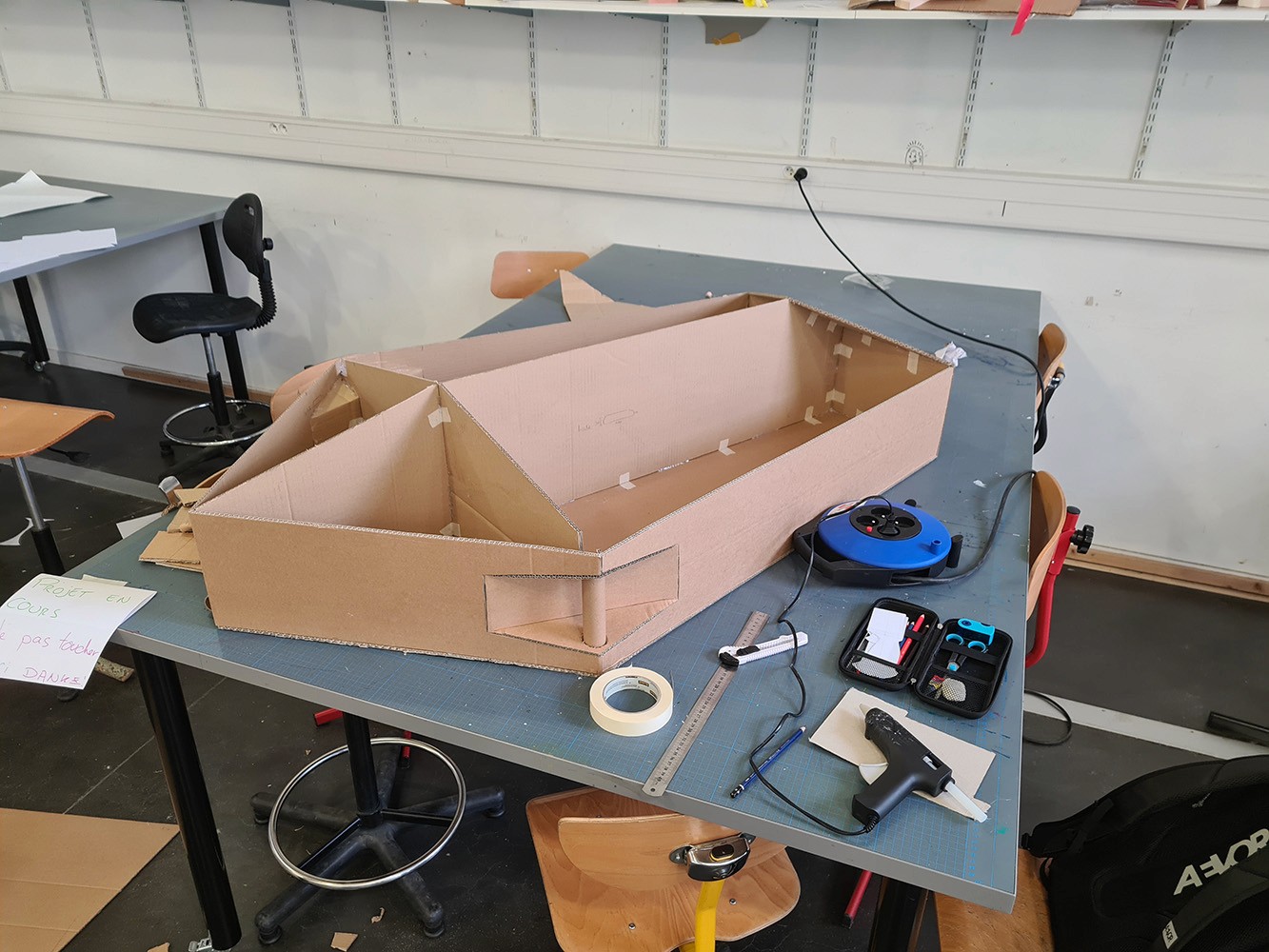
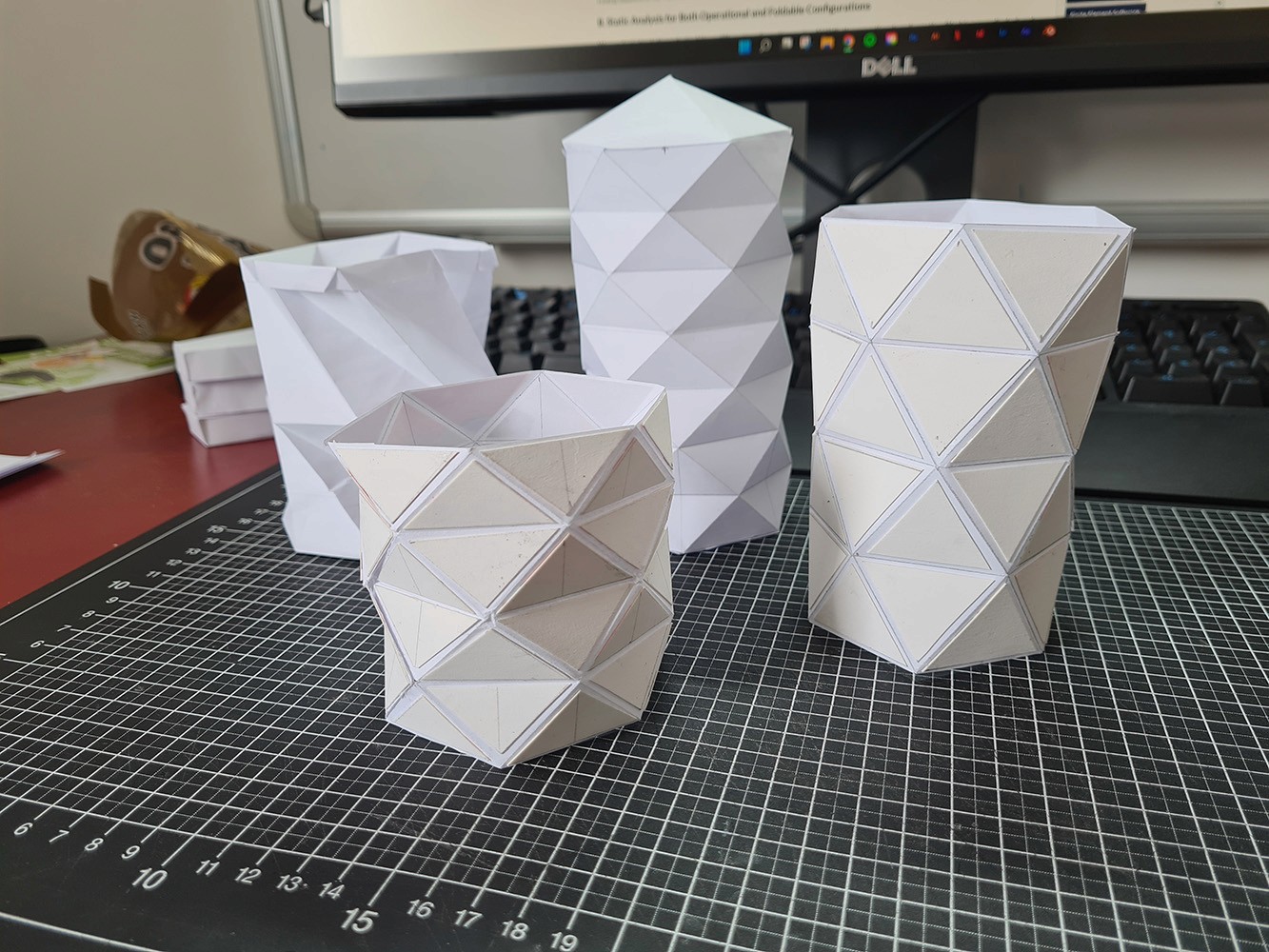
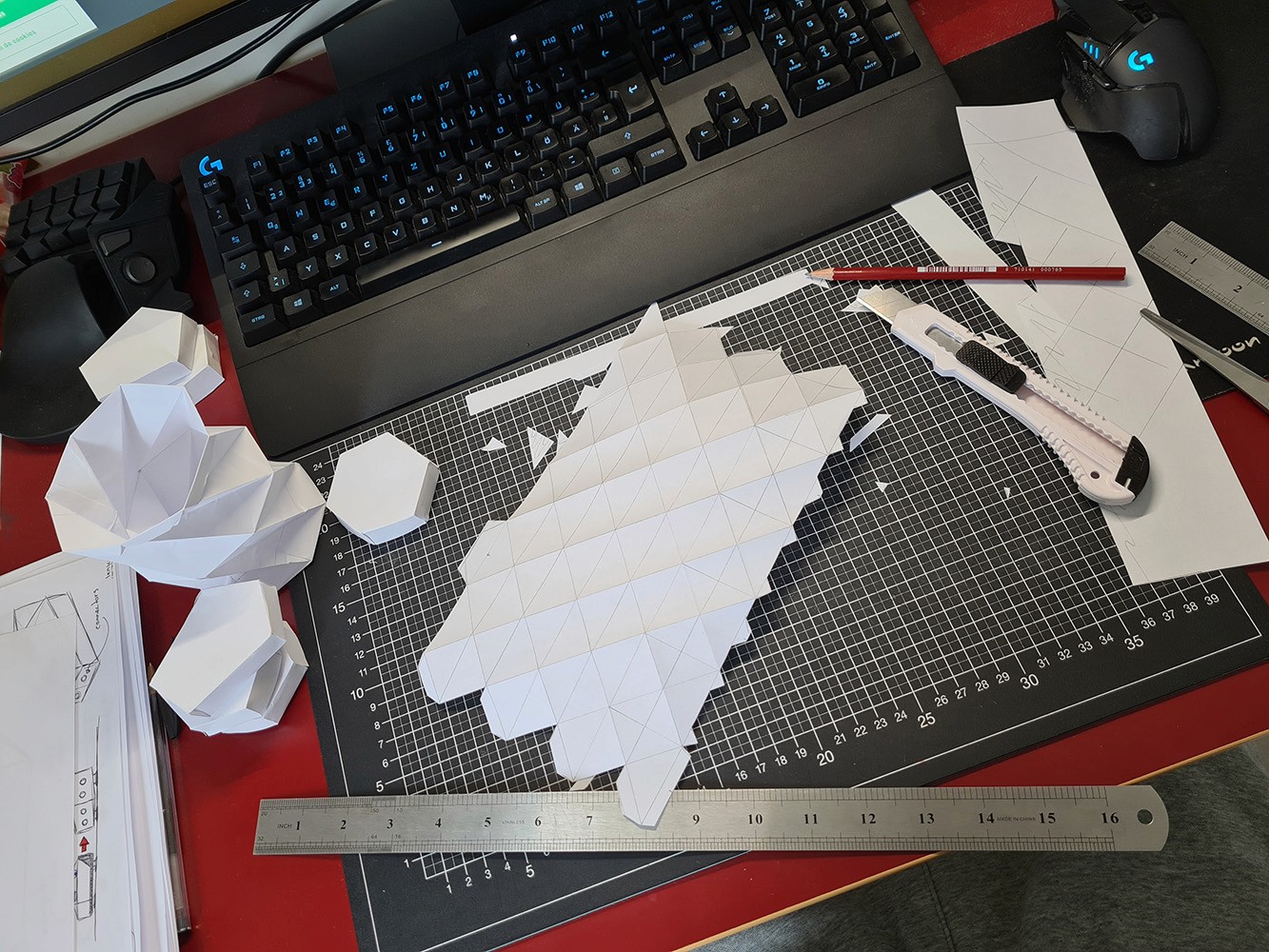
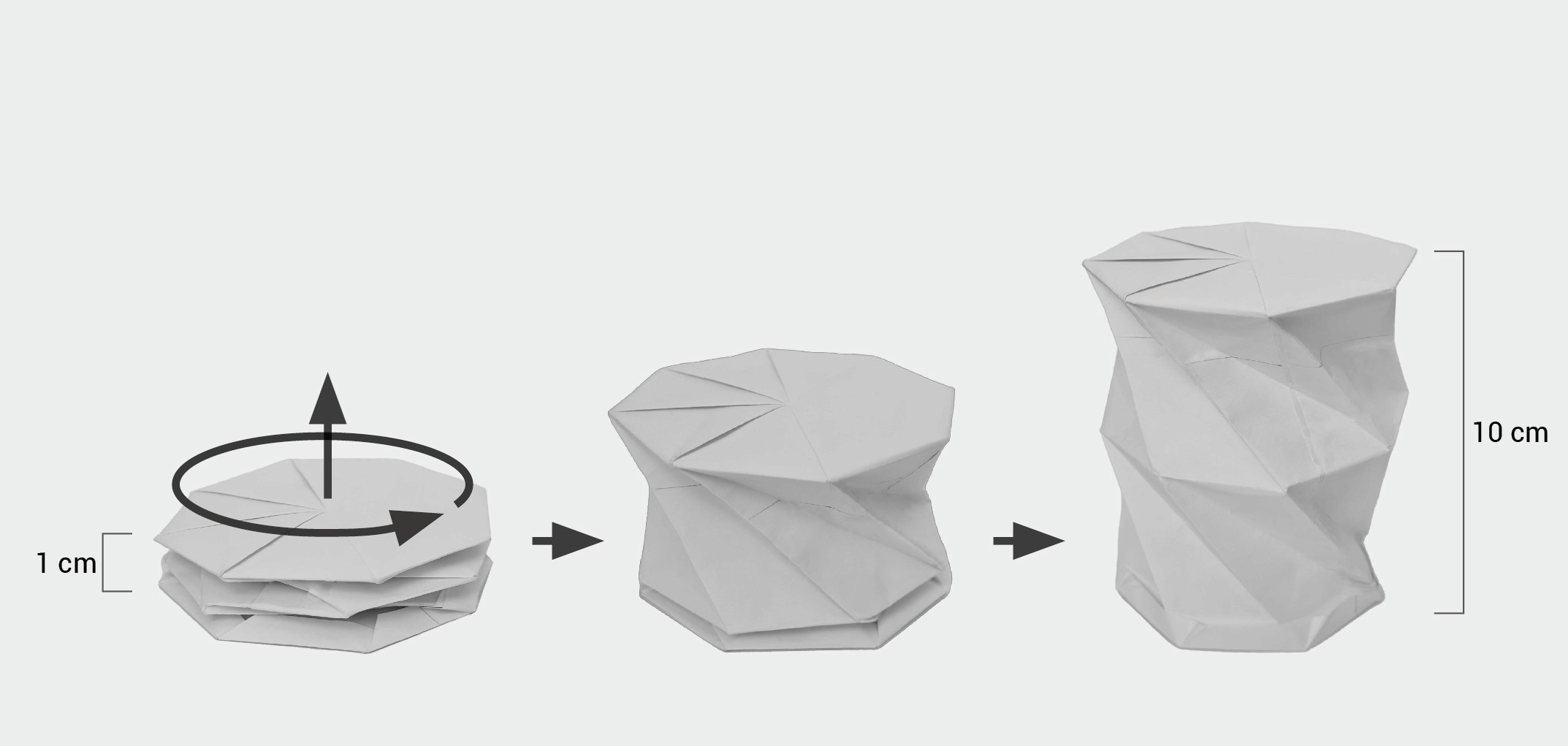
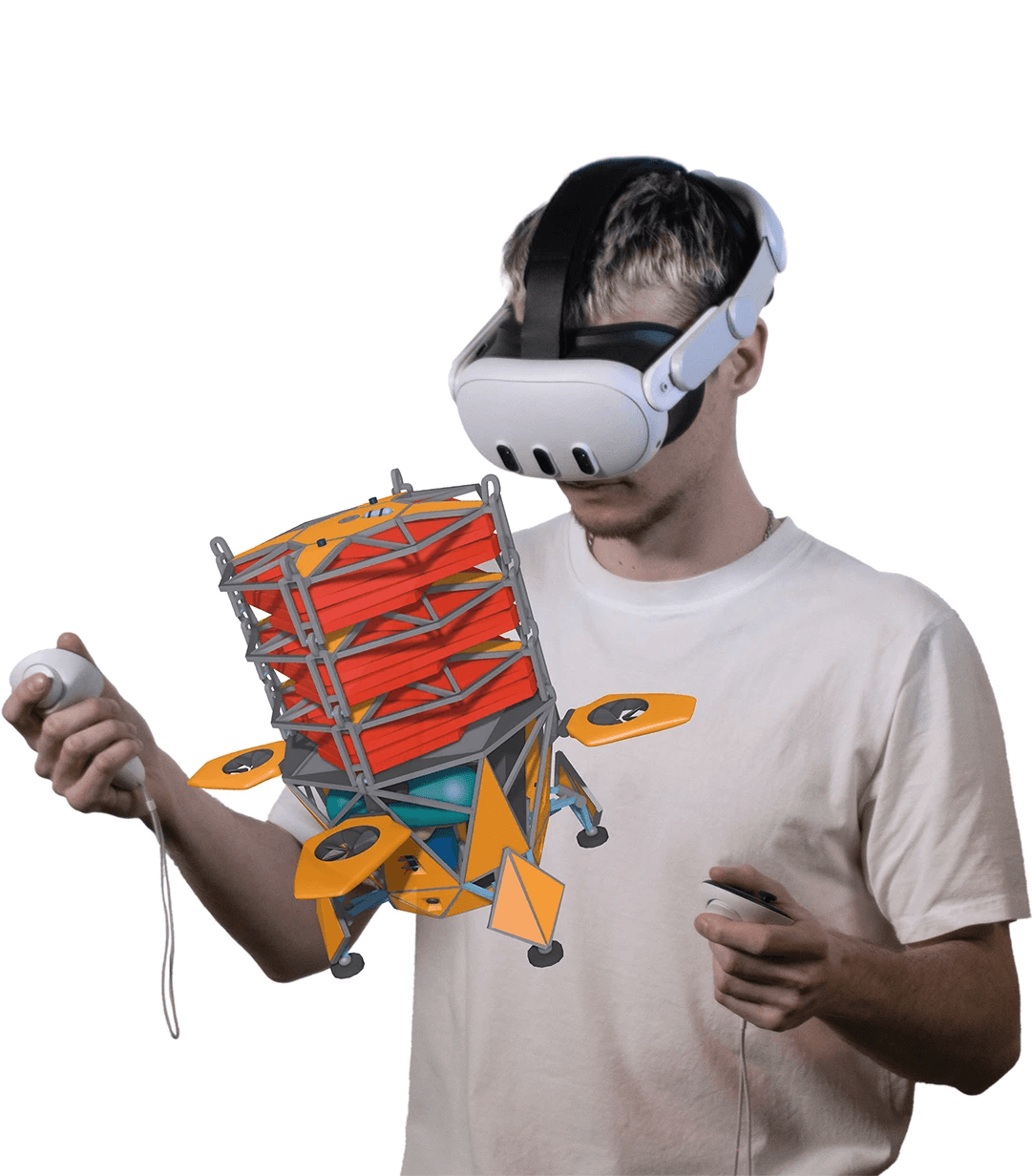
From the start we focused on exploring the physical form and the digital interactions. We worked with rapid sketching on both paper and in virtual reality. Early on we started building different prototypes to test shape, size and proportions as well as UI interactions.